Skip to content
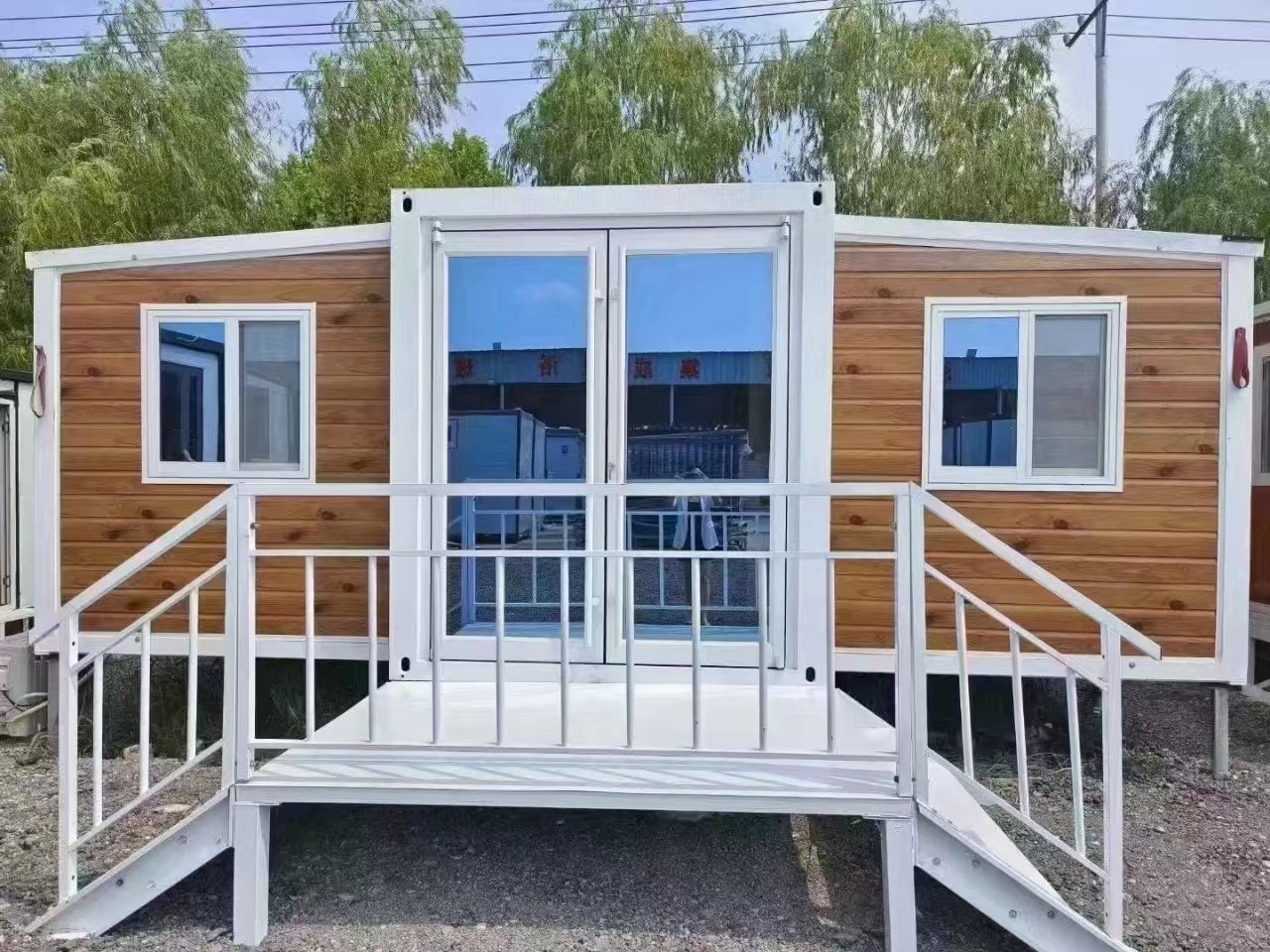
Modern folding container home unfolding.
Discover the innovative world of modular, portable dwellings that are reshaping the future of housing.
I. Introduction: Your Home, Delivered Flat-Pack?
Imagine your entire house arriving on a flatbed truck, compact as a giant shoebox, only to unfold into a fully habitable living space in a matter of hours. It sounds like a scene from a sci-fi movie, but this is the burgeoning reality of folding container houses.
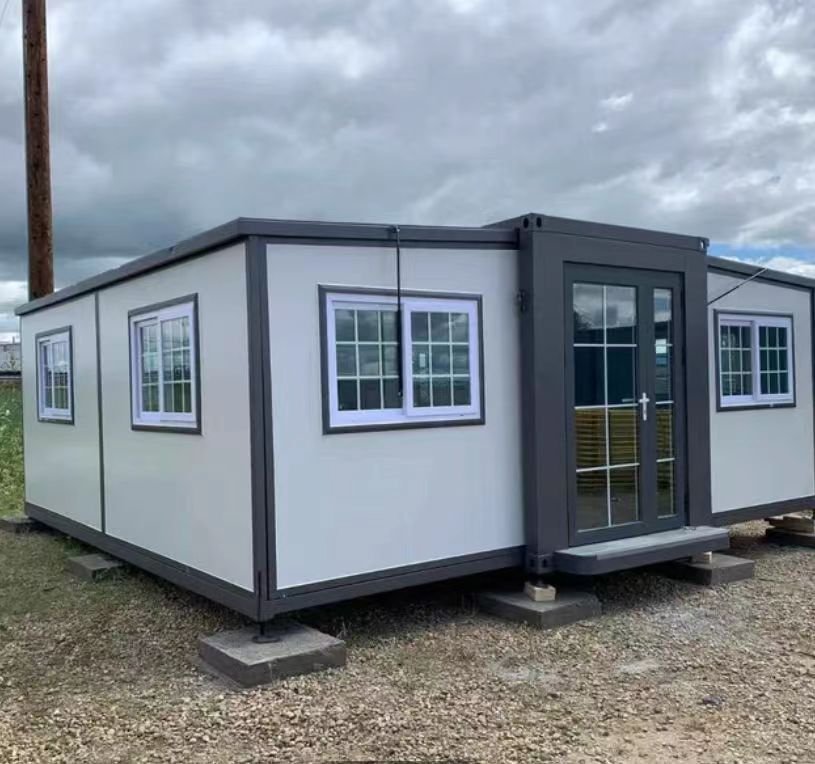
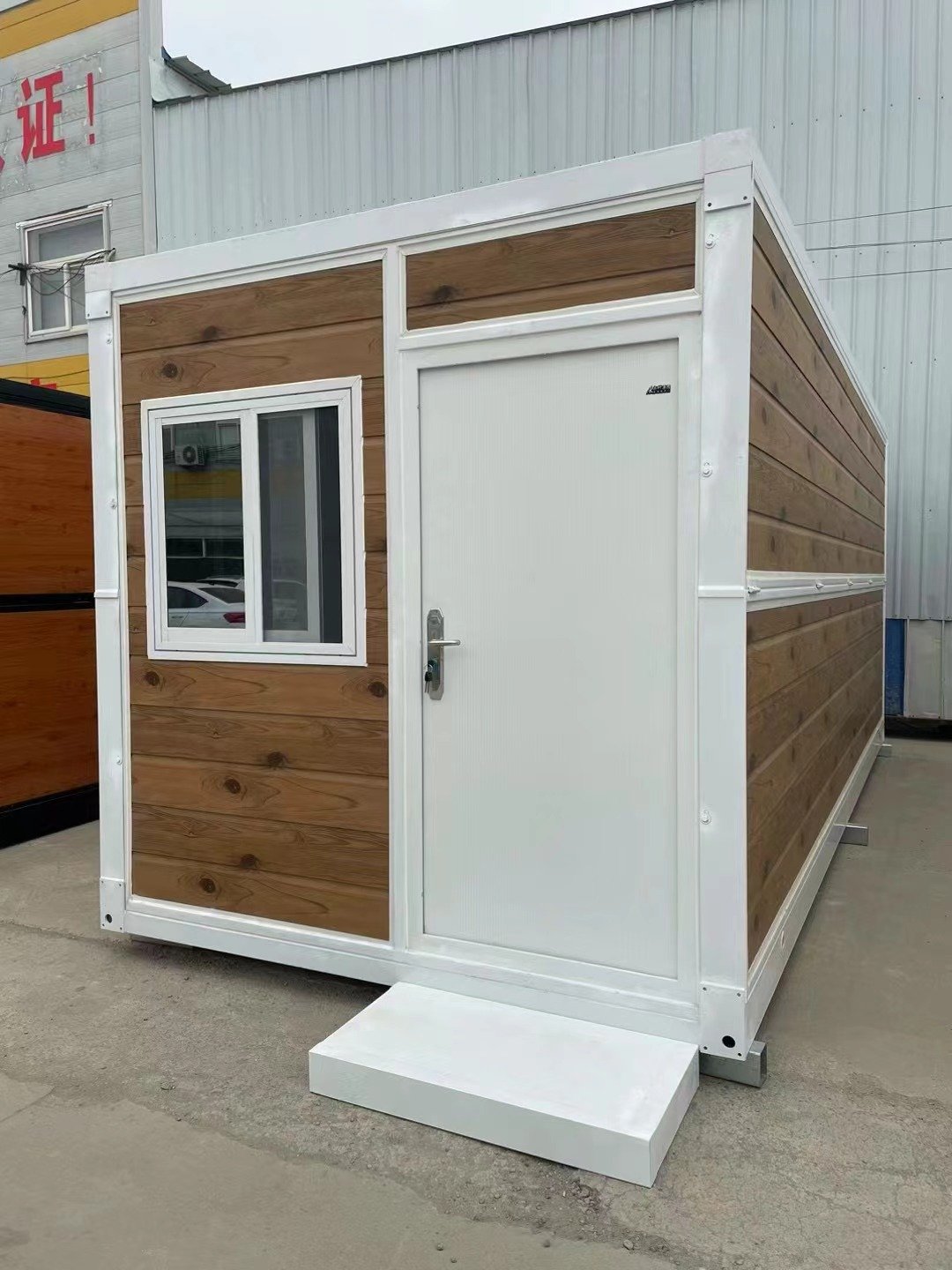
These are not your grandmother’s prefab mobile homes. We are talking about innovative, modular structures designed for rapid assembly, ultimate portability, and a surprisingly compact footprint during transit. By combining the sturdy, stackable nature of shipping containers with clever hinge and lever mechanisms, we are entering an era of instant homes and offices. It hints at a future where housing is less about permanence and more about adaptability.
II. A Blast from the Past: From Roman Forts to Flat-Pack Dreams
The desire for portable shelter is not a modern invention. From the modular forts of Roman legions to the deployable tents of nomadic civilizations, humans have always pursued adaptable living spaces.
The modern “Origami House” follows a clear evolutionary timeline:
-
1940s–1950s
Architects such as Carl Koch explored folding house concepts, while visionaries like Lloyd Kahn experimented with repurposed industrial materials for living spaces. -
2015 — IKEA’s Ingenuity
IKEA introduced solar-powered, flat-pack plastic shelters for Syrian refugees, demonstrating humanitarian modular design at scale. -
2017–2018 — Automatic Transformations
Ten Fold Engineering captured global attention with self-unfolding units using counterbalanced levers, deploying in minutes with near-mechanical precision. -
Today — The Boxabl Era
Companies like Boxabl are commercializing folding homes such as the Casita, designed to compress into standard shipping dimensions for cost-efficient transport.
III. The Good, The Bad, and The Tiny
Is container living right for you? Below is a pragmatic assessment of the modular movement.
✅ The “Pro” Column
-
Budget-Friendly
Upfront costs can be up to 50% lower than traditional brick-and-mortar construction, depending on configuration and location. -
Speedy Setup
A functional home can be deployed in hours rather than months. Factory production eliminates weather-related delays. -
Portability
Ideal for temporary housing, remote sites, disaster relief, or pop-up commercial use. When you move, the structure can move with you. -
Durability
Steel-based structures offer inherent resistance to wind, pests, and harsh environmental conditions. -
Eco-Conscious Potential
Reusing steel containers reduces material waste, while compact layouts encourage energy-efficient living.
❌ The “Con” Column
-
Space Limitations
Square footage is finite. Minimalist living is not optional—it is mandatory. -
Temperature Sensitivity
Steel conducts heat and cold aggressively. Without premium insulation and HVAC systems, comfort is compromised. -
Structural Complexity
Cutting containers for windows, doors, or folding mechanisms weakens structural integrity, requiring reinforced engineering solutions. -
Corrosion Risks
Steel rusts. Coastal and humid regions demand vigilant maintenance and protective coatings. -
Acoustic Challenges
Metal amplifies sound. Effective soundproofing is essential for livability.
IV. Bumps in the Road: Controversies and Challenges
Before committing to land or procurement, several obstacles must be considered.
The Bureaucracy Maze
Building codes and zoning regulations often lag behind innovation. Many local authorities struggle to classify folding container homes, leading to permit delays. Some jurisdictions have even imposed outright bans due to regulatory uncertainty.
Greenwashing vs. Reality
While recycling steel is environmentally positive, modifying containers requires significant energy input. Additionally, older containers may contain chemical treatments or lead-based paints used in maritime transport. Professional remediation is non-negotiable.
The “Affordable” Illusion
The base unit price may appear attractive, but total project costs tell a different story. Land acquisition, foundations, utility connections, insulation upgrades, transportation, and crane deployment can substantially narrow the cost gap versus conventional construction.
V. The Unfolding Future
What lies ahead for the flat-pack housing revolution?
-
Advanced Manufacturing
AI-driven production lines and automation are improving consistency and reducing lead times. 3D printing accelerates component fabrication. -
Smart & Self-Sufficient Systems
Integrated solar panels, rainwater harvesting, and pre-installed smart-home operating systems are pushing designs toward off-grid capability. -
Hydraulic Deployment
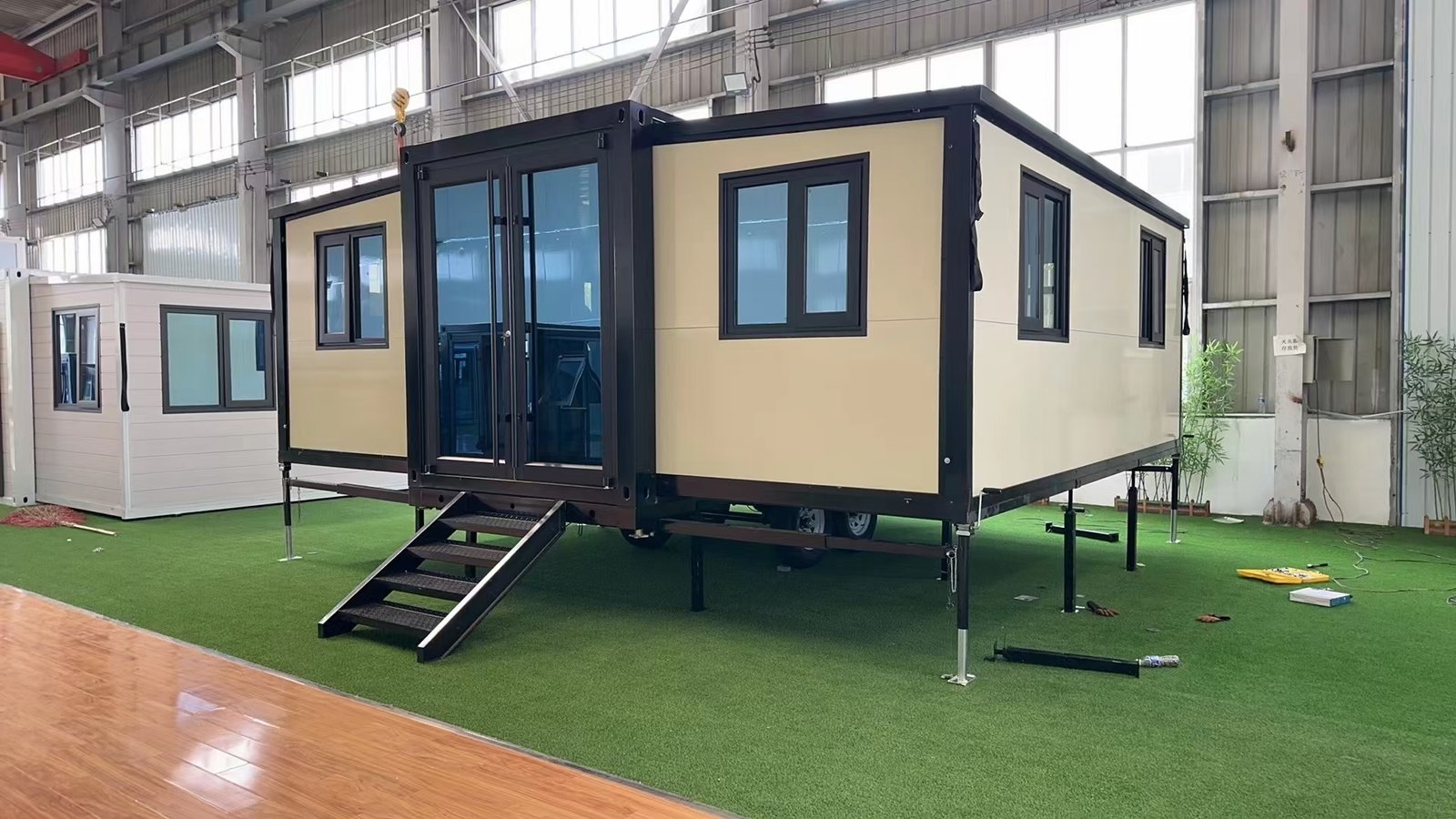
Self-locking and hydraulic unfolding mechanisms are simplifying installation—some now operable via smartphone interfaces. -
Design Evolution
The industry is moving beyond industrial aesthetics. Expect refined interiors, sustainable materials like bamboo flooring, and modular “Lego-style” stacking for multi-story developments.
VI. Conclusion
Folding container houses represent a compelling fusion of historical ingenuity and modern engineering. Despite regulatory hurdles and structural complexities, their potential to deliver adaptable, scalable, and cost-efficient housing solutions is undeniable.
The question is no longer if this model will gain traction—but how fast you are prepared to adopt it.
Are you ready to watch your next home unfold?