 Skip to content
Buying from overseas suppliers carries risks and you fear losing money on bad products. You need to ask the right questions to ensure safety and value for your business.
The most important questions involve the steel thickness and the total weight of the unit. Heavier units usually indicate better materials and structural integrity. You should also ask about the rust protection method and warranty terms to guarantee the product lasts in your local climate.
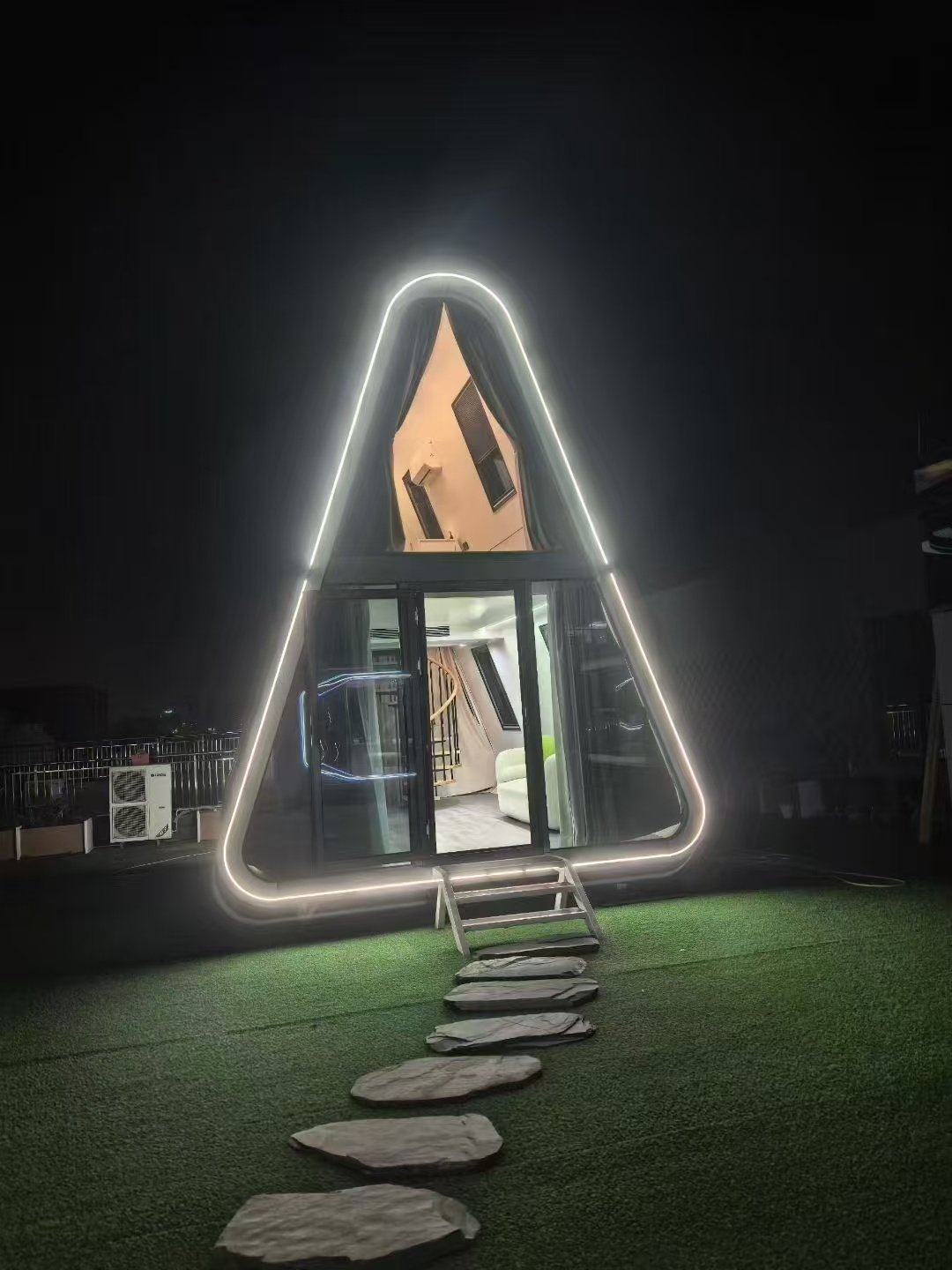
Asking the right questions saves you money. Asking the wrong questions or staying silent costs you a fortune later.
What to know when buying a container home?
Importing goods can be tricky and hidden costs eat into your profits. You need facts to make a smart decision and avoid buying a lemon.
You must know the specific steel thickness of the main frame and the total weight of the empty container. These two numbers reveal the true quality of the house. You also need to know the insulation type and if the electrical systems meet your country's standards.
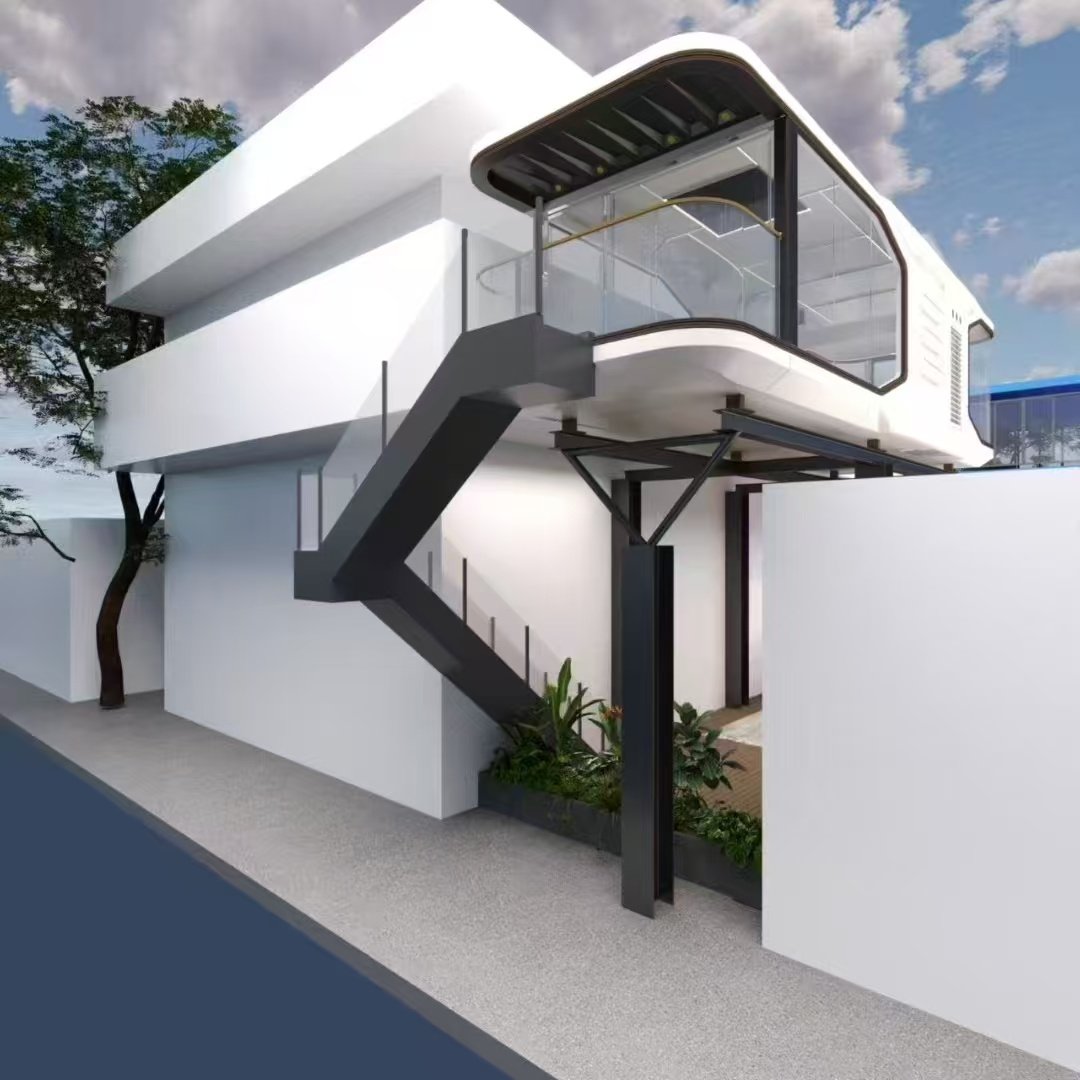
I have seen many buyers get tricked by low prices. They see a picture and it looks good. But the real secret lies in the weight and thickness. You must ask the supplier for the thickness of the main columns and beams. A cheap factory uses 2.0mm or 2.3mm steel. A good factory like CubiNest uses 3.0mm galvanized steel. This makes a huge difference in strength.
You must also ask for the total weight of the unit. Steel costs money. If a container is very light, the supplier used less steel. Less steel means a weaker structure. It might collapse in a typhoon or rust through quickly. When you compare prices, you must compare the weight too. If Supplier A is cheaper than Supplier B, but Supplier A's container is 500kg lighter, you are buying a worse product. Do not let the low price blind you. Always ask for the specification sheet.
| Specification | Standard Quality | High Quality (CubiNest) |
|---|---|---|
| Main Frame Thickness | 2.0mm - 2.3mm | 3.0mm |
| Total Unit Weight | 1200kg | 1500kg+ |
| Steel Type | Painted Black Iron | Galvanized Steel |
| Lifespan | 10-15 Years | 25+ Years |
What questions should you ask a custom home builder?
Custom projects are complex and miscommunication causes painful delays. You hate delays because time is money. You need a builder who understands your specific needs clearly.
Ask the builder if they provide detailed CAD drawings and 3D renderings before production starts. You should also ask if they can customize the electrical plugs and voltage for your specific country. Ask about their experience with water drainage systems for flat roofs.
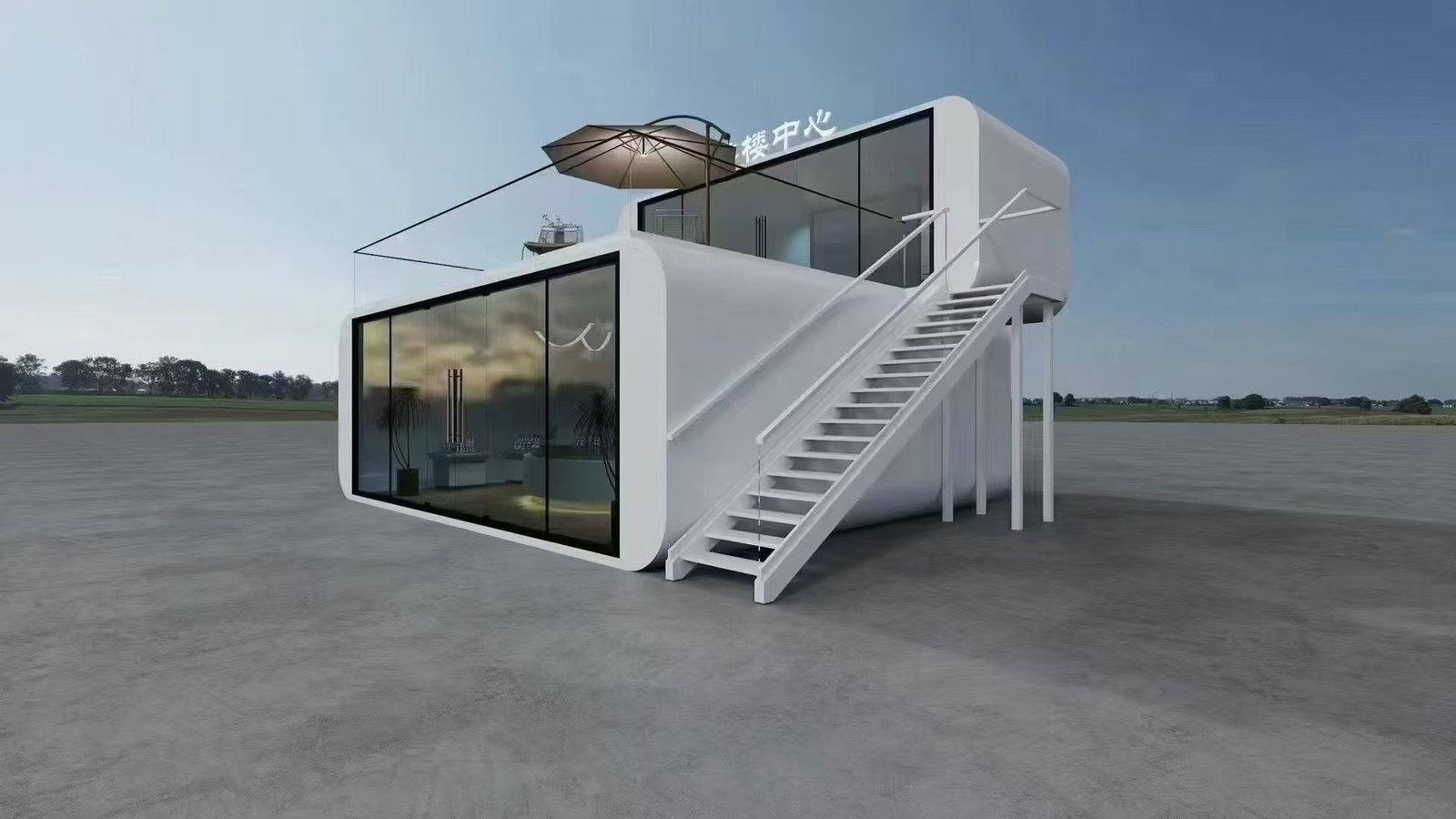
Customization is not just about the color of the wall. It is about the engineering. I always tell my clients to ask about the roof. The roof is the most critical part. In Southeast Asia, rain is heavy. You must ask the builder: "How does the water drain?" Cheap designs let water sit on the roof. This causes leaks. A good custom builder designs a slope and internal drain pipes.
You also need to ask about the floor. What is the load-bearing capacity? If you plan to put heavy furniture or equipment inside, the floor must be strong. Standard floors use magnesium oxide boards or cement fiber boards. You need to know the thickness of this board. A 15mm board is standard, but an 18mm board is better for heavy use. Ask the builder to show you the cross-section of the wall and floor materials. This helps you understand what you are actually paying for.
| Question Category | Specific Question to Ask | Why it Matters |
|---|---|---|
| Roofing | Is there a guided drainage system? | Prevents leaks and rust. |
| Flooring | What is the floor load capacity? | Ensures safety for heavy use. |
| Electrical | Are wires pre-installed inside walls? | Saves labor cost on site. |
| Windows | Are they double-glazed glass? | Improves sound and heat insulation. |
What are the cons of a container house?
Containers are not perfect and ignoring flaws hurts your business reputation. You must be realistic about the downsides to manage your customer's expectations effectively.
The main drawbacks are heat buildup, rust potential in salty air, and limited width. However, using thick insulation materials like PU foam and galvanized steel frames solves the heat and rust problems. Joining modules together solves the space issue.
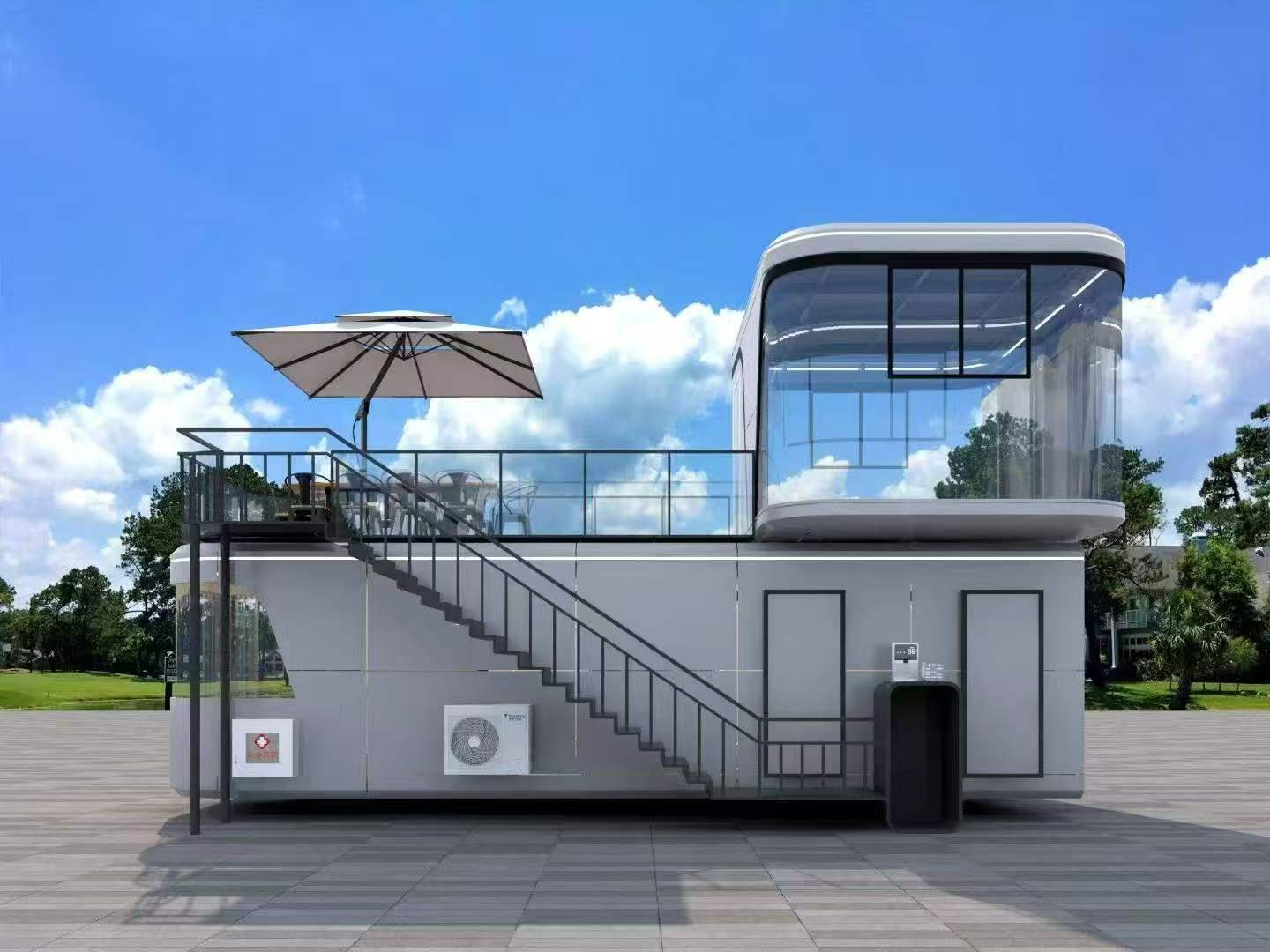
I will be honest with you. A steel box gets hot in the sun. This is a simple fact of physics. If you buy a container with thin insulation, your customers will cook inside. You must ask the supplier about the insulation layer. Rock wool is cheap and fireproof, but PU foam is better for heat insulation. You need to verify the density of the insulation.
Rust is another enemy. If your project is near the sea, like in the Philippines or Thailand, salt air attacks steel. A regular paint job is not enough. You must insist on a galvanized frame. Galvanization puts a zinc layer over the steel. This stops rust. Some factories skip this to save cost. They just spray paint over black iron. It looks the same when new. But after one year, the paint peels and rust appears. You must ask the supplier: "Is the frame hot-dip galvanized?" This question separates the bad factories from the good ones.
| Drawback | Solution | Technical Requirement |
|---|---|---|
| Heat Buildup | Better Insulation | 50mm or 75mm PU Foam |
| Rust / Corrosion | Galvanization | Hot-dip galvanized frame (≥80g/m²) |
| Limited Space | Modular Connection | Remove side walls to join units |
| Sound Isolation | Double Glazing | 5mm+9A+5mm glass windows |
What is the lifespan of a 40ft container house?
Your investment must last a long time or you waste your capital. You want longevity to ensure a high return on investment for your rental or resale business.
A well-built 40ft container house lasts 25 to 30 years with proper maintenance. The lifespan depends heavily on the thickness of the steel frame and the quality of the protective paint layer. Regular cleaning and rust spot treatment extend this life further.
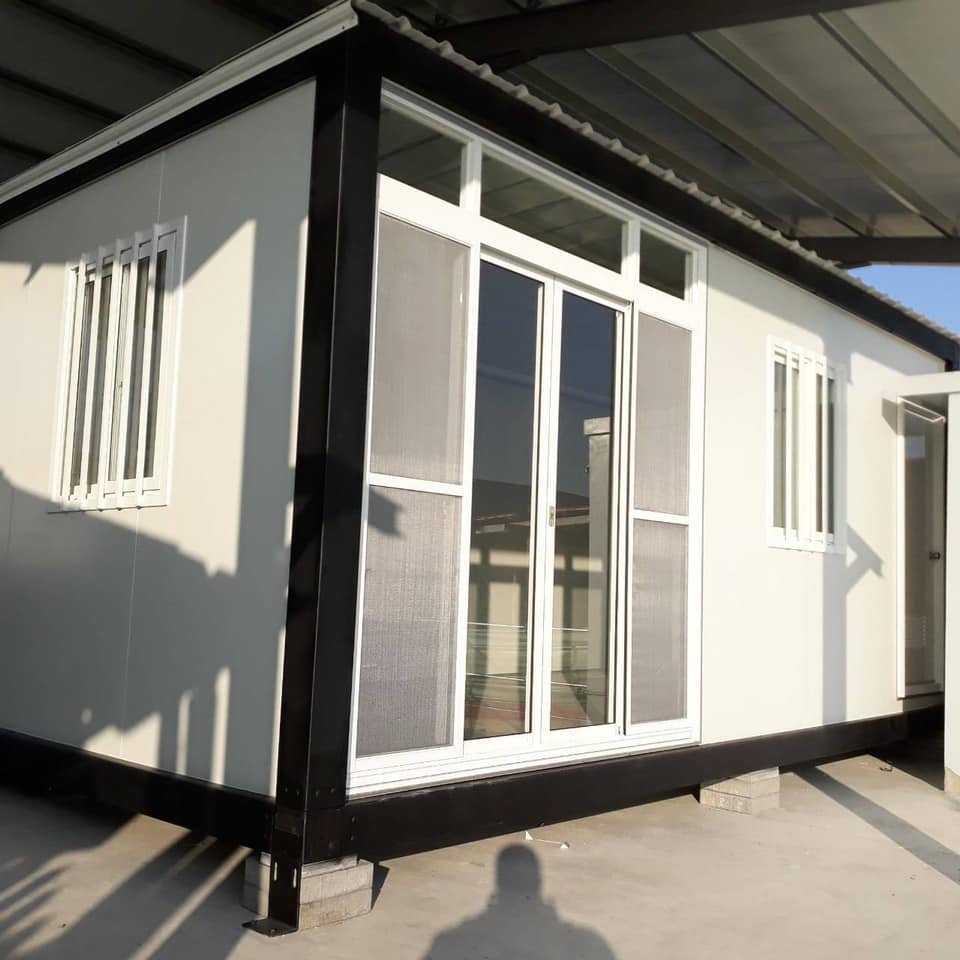
The lifespan is directly connected to the "Weight and Thickness" question we discussed earlier. A container made with 3.0mm steel lasts much longer than one made with 2.0mm steel. It is simple logic. Thicker steel takes longer to corrode. If you buy the cheapest, lightest option, do not expect it to last more than 10 years.
Maintenance also plays a huge role. I tell my customers to treat their container house like a car. You must wash it. You must check the seals around the windows. If you see a scratch in the paint, fix it immediately. In high humidity areas, you need to check the roof drains twice a year to stop blockages. If you do these simple things, the structure remains solid. I have seen containers used as offices for 20 years that still look new. I have also seen cheap units rot in 5 years. The difference is the initial steel quality and the owner's care.
| Factor | Impact on Lifespan | Recommendation |
|---|---|---|
| Steel Thickness | High Impact | Choose 3.0mm main beams. |
| Coating Quality | High Impact | Choose marine-grade paint. |
| Climate | Medium Impact | Wash frequently in coastal areas. |
| Maintenance | High Impact | Inspect seals and paint yearly. |
Conclusion
To protect your investment, always ask your supplier about the steel thickness, the total unit weight, and the galvanization process before you pay the deposit.



3 Responses
A really good blog and me back again.
Wish you happiness
Hahahaha You are so good