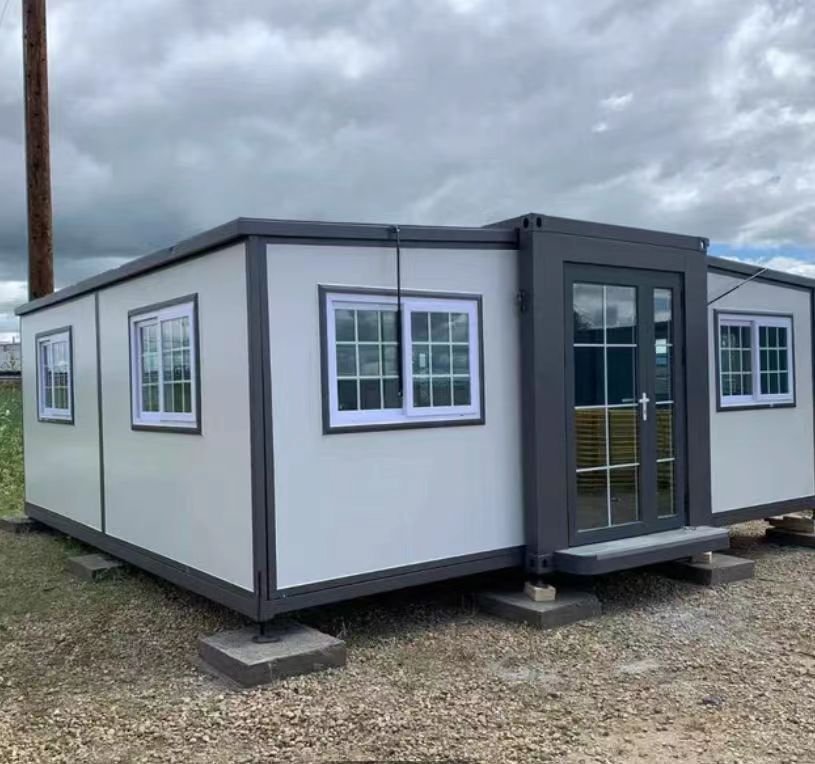
How Long Will a Container House Last in Hot and Rainy Countries?
A container house may look strong on delivery day. But heat, rain, rust, and poor installation can shorten its real life.
A container house can last many years in hot and rainy countries if the steel frame, roof waterproofing, anti-rust coating, wall panels, foundation, and maintenance are handled well. I focus on climate-fit design because weather usually exposes weak specifications faster than buyers expect.

I do not like giving a life span number without context. A container house in a dry site is not the same as one near the sea. A worker camp is not the same as a rental unit. The life of the house comes from material, design, installation, use, and maintenance together.
What Parts Decide the Life Span of a Container House?
The main parts that decide life span are the steel frame, roof system, wall panels, floor, paint or coating, door and window sealing, and foundation. Weak parts usually fail first.
%[container house lifespan key parts](http://cubinest.com/wp-content/uploads/2025/02/微信图片_20241007234632.jpg"container house lifespan key parts")
Why I Look For The Weakest Link
I judge a container house like a project system. One strong part cannot save every weak part. A heavy frame is useful, but a weak roof can still leak. Good panels are useful, but poor foundation can twist the structure. That is why I check the full house, not only one selling point.
| House Part | What It Affects | Common Weak Point |
|---|---|---|
| Steel frame | Strength and stability | Thin steel or poor coating |
| Roof system | Waterproofing and heat | Bad drainage or sealant |
| Wall panels | Comfort and durability | Thin or poorly sealed panels |
| Floor | Daily use and moisture resistance | Weak board material |
| Doors and windows | Rain and wind resistance | Poor frame sealing |
| Foundation | Level and structural fit | Uneven site work |
I often tell buyers that life span is not only a factory promise. It is a result. The factory must provide the right structure. The buyer must install it correctly. The site team must avoid water staying under or around the house. If these parts work together, the house can serve well. If one part is ignored, the house may age quickly.
Does Rain Shorten the Life of a Container House?
Rain can shorten the life of a container house when water enters joints, stays on the roof, reaches the floor, or causes rust. Good drainage and sealing reduce this risk.
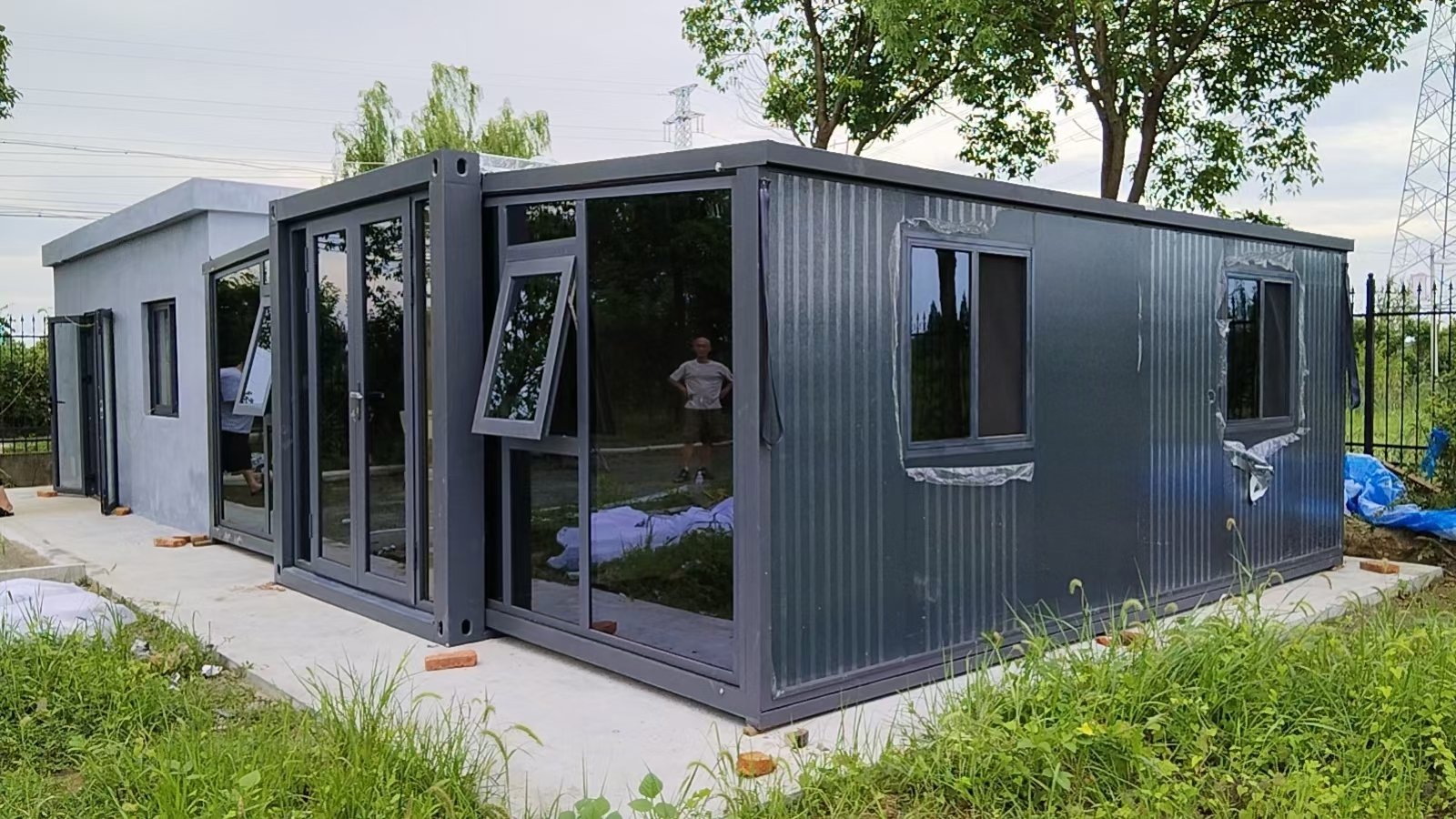
Why Water Control Matters More Than Buyers Think
Rain is not dangerous only when it leaks inside. Rain also creates hidden problems. Water can stay around roof joints. It can reach screw holes. It can collect near the base. It can enter small gaps around windows. Over time, these small problems can become stains, rust, swelling, smell, or user complaints.
| Rain Risk | What I Check | How I Reduce Risk |
|---|---|---|
| Roof water | Slope and drainage | Keep water moving away |
| Joint leakage | Sealant and overlap | Use better joint treatment |
| Window seepage | Frame sealing | Check during installation |
| Base moisture | Site drainage | Raise and level the foundation |
| Hidden rust | Coating and inspection | Maintain exposed steel |
In the Philippines and other rainy countries, I would not cut roof quality to save a small amount. A roof problem can damage the whole house. I also suggest that buyers test the first unit after installation. If there is a weak point, fix the method before installing the next units. This one step can protect a whole project.
Does Heat Affect Container House Durability?
Heat affects comfort and material aging. Strong sunlight can test roof panels, sealant, paint, insulation, and interior materials. Better insulation and exterior treatment can reduce heat stress.
%[container house heat insulation durability](http://cubinest.com/wp-content/uploads/2024/12/微信图片_20241007234732.jpg"container house heat insulation durability")
Why Hot Weather Is A Real Specification Issue
Some buyers treat heat as an air conditioner problem. I see it as a building specification problem. If the roof and walls absorb too much heat, the inside becomes uncomfortable. The air conditioner works harder. Sealant may age faster. Paint may fade faster. The user may complain more.
| Heat Issue | Possible Result | Better Choice |
|---|---|---|
| Weak roof insulation | Hot indoor space | Better roof panel |
| Dark exterior color | More heat absorption | Lighter color |
| Poor ventilation | Trapped hot air | Vents or exhaust fan |
| Low-grade sealant | Faster aging | Weather-resistant sealant |
| Poor AC planning | Later modification | Plan electrical points early |
I ask the buyer how the house will be used during the day. A site office may need better heat control than storage. A dormitory needs sleeping comfort at night. A rental house needs user satisfaction. Heat control may raise the first cost, but it can lower complaints and operating cost. This is why I connect life span with user experience. A house that people refuse to use has failed even if the frame is still standing.
How Can Buyers Extend Container House Life?
Buyers can extend container house life by choosing climate-fit materials, installing on a level foundation, protecting roof joints, keeping drainage clear, checking rust points, and maintaining sealant.
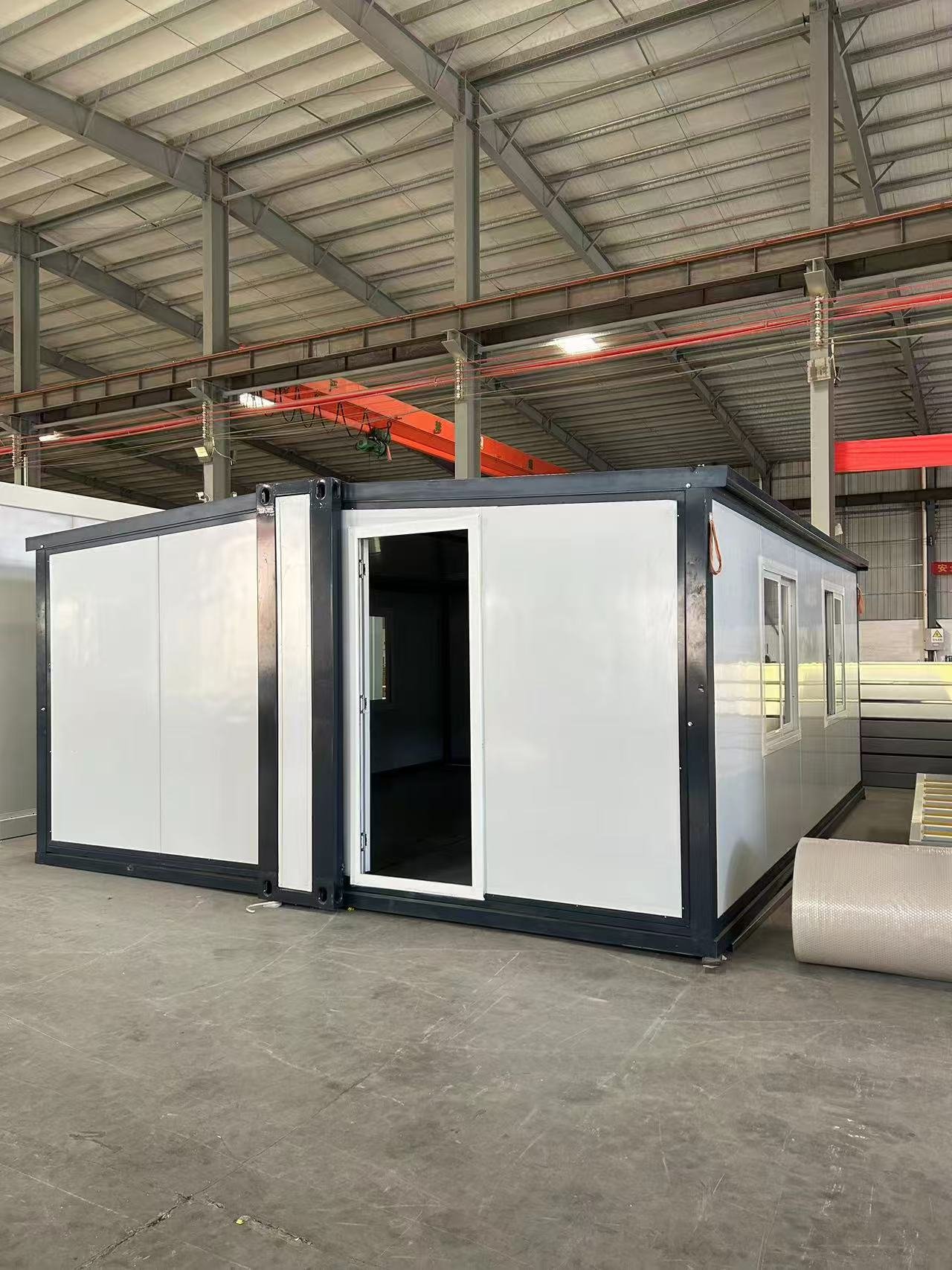
My Maintenance Advice After Delivery
I like to give simple maintenance advice because many project problems are preventable. A container house does not need complicated care, but it should not be ignored. The buyer should inspect roof joints, window frames, door frames, base frame, and drainage after heavy rain and during seasonal changes.
| Maintenance Task | Frequency | Why It Helps |
|---|---|---|
| Check roof joints | After heavy rain | Finds early leakage |
| Clean drainage | Regularly | Prevents standing water |
| Inspect sealant | Every few months | Prevents cracks |
| Check rust spots | Regularly | Stops spread early |
| Keep foundation dry | Always | Protects bottom frame |
| Save spare parts | Before problem happens | Speeds repair |
I also suggest keeping spare screws, washers, sealant, locks, and small hardware on site. These items are cheap when shipped with the order. They become expensive when the site is waiting. For remote projects, spare parts are a form of insurance. A good factory should help buyers prepare them before shipment.
Conclusion
I extend container house life by matching the structure to heat, rain, foundation, and maintenance instead of trusting a life span claim alone.