Skip to content
How Much Does a Container House Cost in the Philippines?
Many buyers ask for a fast price. I understand that. But a container house price can mislead you when the specification is unclear.
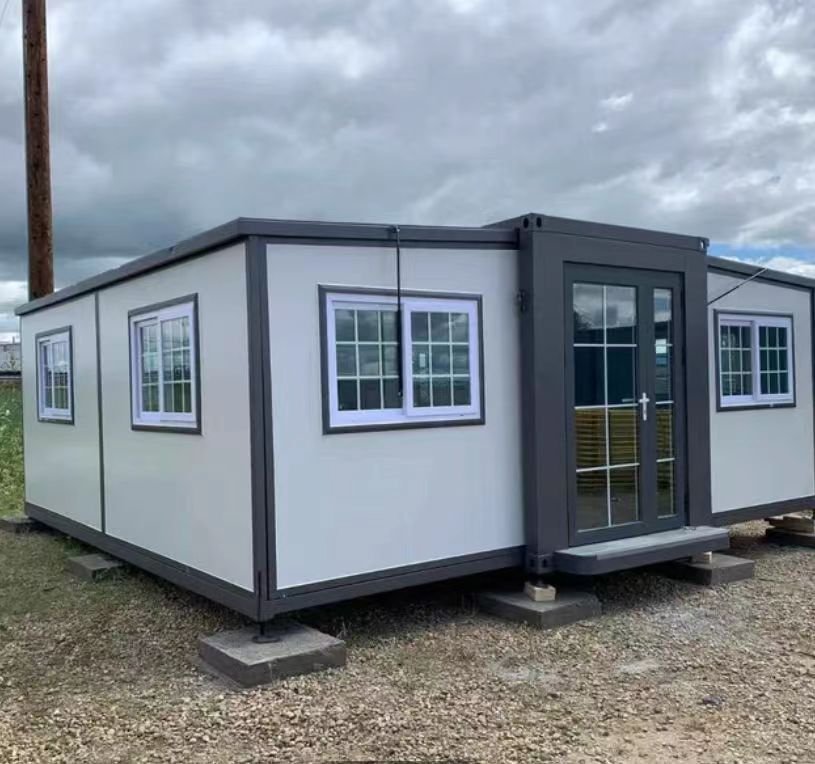
A container house in the Philippines usually costs different amounts based on size, structure, insulation, roof design, packing, shipping, and installation. I always compare the total project cost, not only the factory price, because freight, local labor, and climate requirements can change the real budget.

I have met many buyers who want one simple number. I would like to give one number too, but that can create a bad decision. The Philippines is not only a price market. It is also a rain, heat, and logistics market. A low factory quote can look attractive, but the final cost may change after packing, shipping, foundation, installation, and repair risk.
What Is Included In A Container House Price?
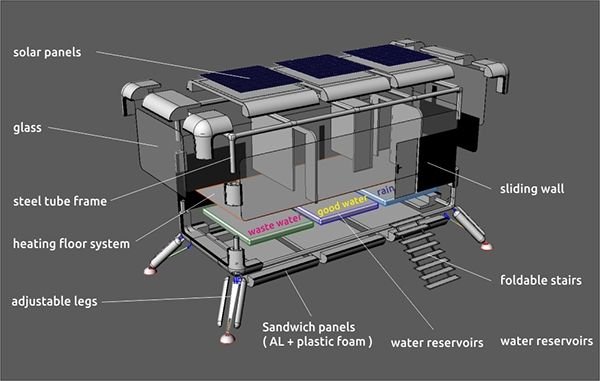
A container house price should include the steel frame, wall panels, roof system, floor, doors, windows, accessories, packing, and basic installation materials. Some quotes include these items clearly, while some quotes hide missing parts.

Why I Do Not Compare Price Before I Compare The List
I never compare two quotations until I know what each quote includes. I have seen one supplier offer a lower price because the quote did not include enough screws, sealant, windows, electrical items, or spare parts. The buyer thought he saved money. Then the site team had to buy missing parts locally. That is not a real saving.
| Price Item | Why It Matters | My Buying Note |
|---|---|---|
| Steel frame | It affects strength and life span | Check thickness and paint |
| Wall panel | It affects heat and comfort | Match it to the climate |
| Roof system | It affects leakage risk | Ask about drainage and sealing |
| Floor | It affects daily use | Check board material |
| Accessories | It affects installation speed | Ask for a full parts list |
| Packing | It affects shipping damage | Ask for loading photos |
I also ask whether the quote is for one unit, one set, or one full project package. This sounds basic, but it matters. A project buyer in the Philippines may need many units, toilets, stairs, corridors, or extra roofing. If the supplier quotes only the house shell, the final project cost will rise later. I prefer a clear quote even when it looks a little higher at first. A clear quote gives the buyer control.
Why Is The Philippines Price Different From Other Markets?
The Philippines price is different because shipping routes, island logistics, rain protection, heat control, and local installation can change the total cost. The same house may not have the same final cost in every country.
Why Country Context Changes The Budget
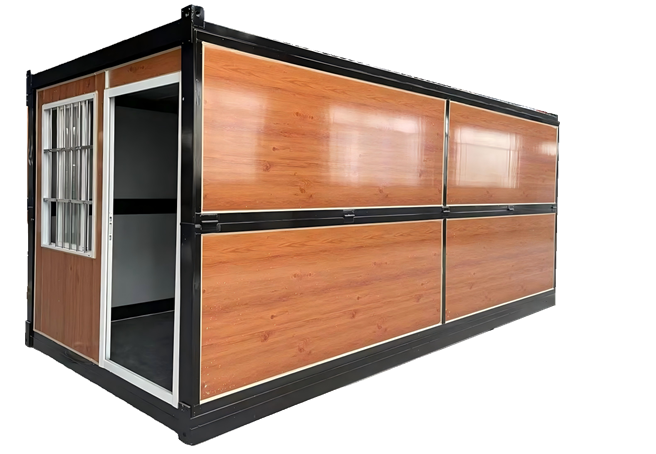
I treat the Philippines as a practical market. Buyers care about price, but they also need products that can handle heat, rain, and transport. If the project is near a main port, the delivery cost may be easier to control. If the project is on an island or far from the city, local transport and spare parts become more important.
| Cost Factor | Philippines Impact | What I Check |
|---|---|---|
| Sea freight | Depends on port and season | Loading quantity per container |
| Local delivery | Can change by island or city | Final project location |
| Rainy climate | Needs better waterproofing | Roof and joint design |
| Hot weather | Needs insulation and ventilation | Wall and roof panels |
| Installation | Local team may need guidance | Drawings and videos |
| Spare parts | Replacement can take time | Extra parts in shipment |
I would not sell the same specification to every buyer. If Mike wants a worker camp, I would focus on fast installation, strong roof sealing, and simple maintenance. If another buyer wants rental rooms, I would add more comfort details. This is why I do not like one fixed price answer. A good price in the Philippines should fit the site. It should not only look good in a message.
How Can I Reduce The Cost Without Buying A Weak House?
I reduce cost by simplifying the layout, improving packing efficiency, ordering in better quantity, and removing unnecessary decoration. I do not reduce cost by weakening the roof, frame, sealant, or packing.

Where I Allow Cost Reduction
I know buyers want a competitive price. I also know a factory must help buyers win projects. But I divide cost reduction into safe and risky areas. Safe reduction keeps the structure and waterproofing strong. Risky reduction removes the parts that protect the buyer after installation.
| Cost Reduction Method | Safe Or Risky | My View |
|---|---|---|
| Simple room layout | Safe | It saves material and labor |
| Bulk order quantity | Safe | It improves production planning |
| Better container loading | Safe | It reduces freight per unit |
| Fewer decorative options | Safe | It does not hurt basic use |
| Thinner steel | Risky | It can reduce strength |
| Cheap sealant | Risky | It can cause leakage |
| Weak packing | Risky | It can cause shipping damage |
If a buyer pushes for the lowest price, I ask what use case he has. A short-term site office may accept a simpler design. A long-term dormitory should not use the weakest version. I would rather help the buyer reduce cost honestly than hide the trade-off. This is also better for a factory brand. A buyer may forget a small price difference, but he will not forget a leaking house.
What Should I Ask Before I Accept A Quote?
I ask for the full specification, packing method, loading quantity, installation guide, spare parts list, project location, and warranty terms. These questions show whether the price is complete.
My Quote Check Before Payment
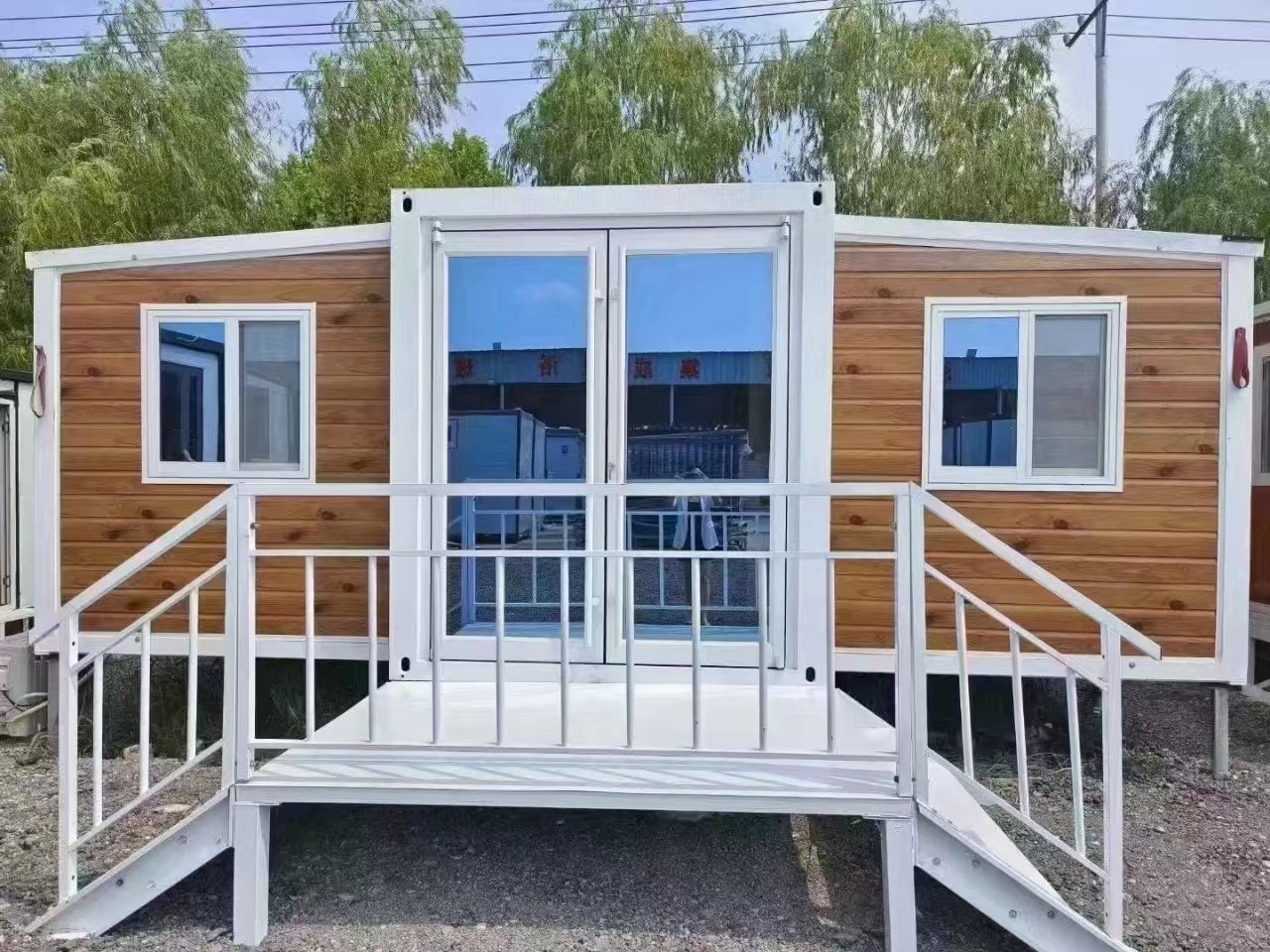
Before I accept a price, I want the supplier to answer practical questions. I do not need beautiful words. I need details that help the project land safely. This is even more important for Philippine buyers because transport and weather can punish weak planning.
| Question | Why I Ask |
|---|---|
| What is the exact size and layout? | It prevents price confusion |
| What wall panel is used? | It affects heat and comfort |
| How is the roof waterproofed? | It affects rainy season risk |
| How many units fit in one container? | It affects freight cost |
| What parts are included? | It avoids missing accessories |
| Do you provide installation drawings? | It reduces site mistakes |
| Are spare parts included? | It protects remote projects |
I also ask the supplier to explain price differences between options. A good factory can say, "This version is cheaper because the layout is simple." That is acceptable. But if the factory cannot explain why one quote is much cheaper than another, I become careful. A quote is not only a number. It is a promise about what the buyer will receive.
Conclusion
I judge Philippines container house cost by total project value, not only factory price, because climate and logistics change the real budget.