Skip to content
Are Container Houses Suitable for the Philippines Climate?
A container house can look strong in a catalog. But the Philippines has heat, rain, humidity, and island logistics that test every detail.
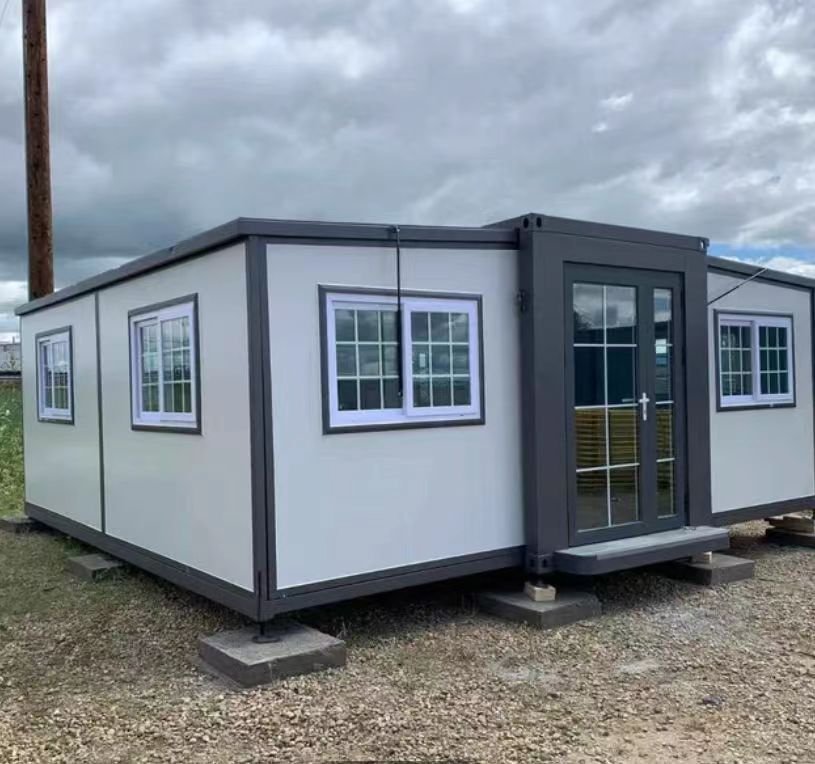
Container houses can suit the Philippines climate if they use proper roof waterproofing, insulation, ventilation, anti-rust treatment, and site installation. The buyer should not choose by price alone because hot and rainy weather can expose weak materials quickly.

I often think about buyers like Mike when I discuss the Philippines market. He wants a good price. He also wants control over the deal. I understand that. But I would still tell him that the climate must guide the specification. A cheap container house is not cheap if it becomes too hot, leaks after rain, or rusts too early.
Is Heat A Big Problem For Container Houses In The Philippines?
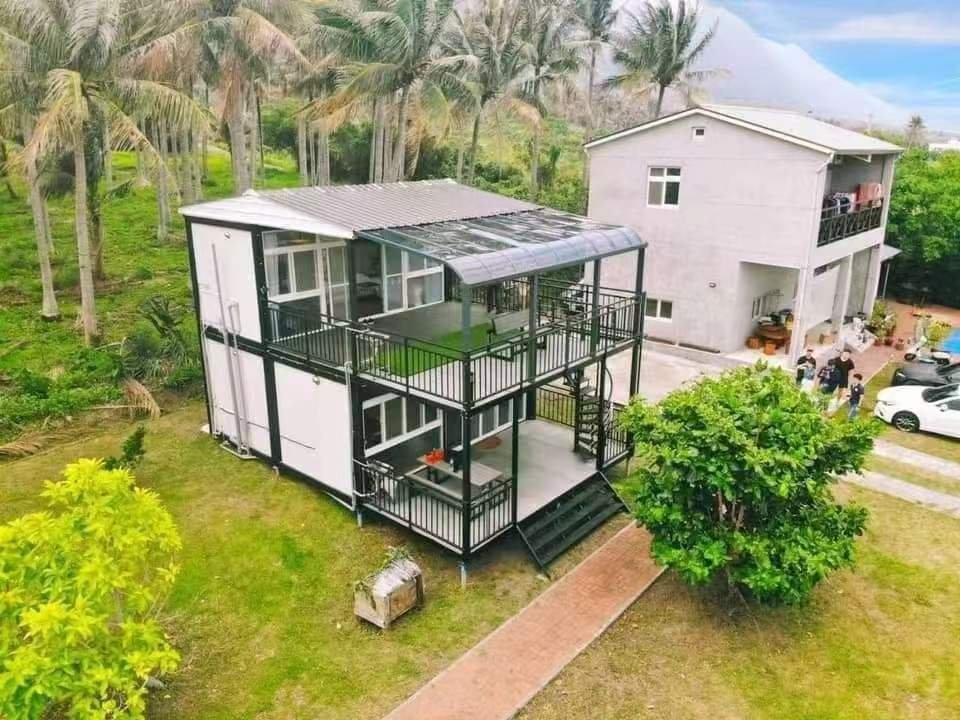
Heat can be a big problem if the container house has weak insulation, poor ventilation, or a dark roof. A better roof panel, wall panel, air gap, and ventilation plan can make the house more comfortable.
How I Think About Heat Control
I do not treat heat as a comfort issue only. In a worker camp, heat affects sleep, productivity, and complaints. In a rental unit, heat affects user satisfaction. In a site office, heat affects daily work. A container house in the Philippines needs a practical heat plan from the start.
| Heat Control Item | Better Choice | Why I Care |
|---|---|---|
| Roof insulation | Stronger insulated roof panel | Roof receives the most sun |
| Wall panel | Suitable sandwich panel | It slows heat transfer |
| Color | Light exterior color | It reflects more sunlight |
| Ventilation | Windows, vents, or exhaust fan | It moves hot air out |
| AC layout | Planned electrical points | It avoids later modification |
I ask buyers what the house will be used for. A storage unit, office, dormitory, and rental room do not need the same specification. If Mike wants the lowest price for a temporary site, I may suggest a simple layout with enough ventilation. If he wants rental rooms, I would push harder for better insulation and user comfort. I do not want to sell one fixed answer. I want the product to match the real use.
Is Heavy Rain The Main Risk?
Heavy rain is one of the main risks. The buyer should check roof slope, joint sealing, drainage, window sealing, and installation quality before ordering container houses for the Philippines.

Why Rain Changes The Buying Standard
The Philippines has strong rain in many areas. I do not want a buyer to discover roof problems after installation. Rainwater can enter from the roof, wall joints, window frames, door frames, or floor edges. The risk becomes higher when the site team rushes the installation.
| Rain Risk Point | What I Ask The Factory | Why It Matters |
|---|---|---|
| Roof joint | How is the joint sealed? | It is a common leak point |
| Drainage | Where does water go? | Standing water creates risk |
| Window frame | How is the frame sealed? | Side rain can enter |
| Door frame | Is there proper sealing? | Wind-driven rain can enter |
| Foundation | Is the ground level? | Uneven base can open gaps |
I also suggest testing the first installed unit before the full camp is assembled. This is simple, but many buyers skip it. If the first unit shows a leak, the team can correct the method before repeating the mistake. I would rather delay one day than repair thirty units later. A good supplier should explain this clearly. The best factory is not the one that says “no problem” to everything. The best factory helps the buyer prevent problems.
Will Container Houses Rust In A Humid Island Market?
Container houses can rust in humid markets if steel treatment, paint, drainage, and maintenance are weak. Anti-rust coating and good water control are important for the Philippines.

How I Judge Rust Risk
I know some buyers think steel is always strong. Steel is strong, but it still needs protection. In a humid island market, water, salt air in coastal areas, and poor drainage can speed up rust. This does not mean container houses are unsuitable. It means the buyer should choose the right treatment.
| Rust Factor | Better Practice | Buyer Question |
|---|---|---|
| Steel surface | Proper paint or coating | What anti-rust process is used? |
| Roof drainage | No water staying long | How does water leave the roof? |
| Bottom frame | Protected from ground moisture | How is the base installed? |
| Coastal use | Stronger anti-rust treatment | Is this for a coastal site? |
| Maintenance | Regular checks | What should the user inspect? |
I also ask about the project location. A mountain site, city site, and coastal site may need different thinking. If the house is near the sea, I would be more careful. If the buyer wants the lowest possible price, I explain the trade-off. Saving a small amount on paint or treatment can shorten the useful life. I prefer to be honest here because rust is not only a technical problem. It becomes a reputation problem for the buyer who resells or rents the units.
What Should Philippine Buyers Check Before Ordering?
Philippine buyers should check total landed cost, packing, spare parts, installation guidance, waterproof design, insulation, and supplier experience. The cheapest factory price may not be the cheapest project cost.
My Buying Checklist For Mike-Like Buyers
If I sit with a buyer like Mike, I would not start with a long speech. I would show him a simple checklist. He may already have quotes from China, Thailand, and Turkey. He may also push for price. I would respect that, but I would also help him compare the real cost.
| Check Item | Why It Matters In The Philippines | My Advice |
|---|---|---|
| Factory price | It affects first decision | Compare same specification |
| Sea freight | Island logistics can add cost | Check loading quantity |
| Packing | Panels can be damaged in transit | Ask for packing photos |
| Spare parts | Replacement can be slow | Buy extra small parts |
| Installation | Local team may need guidance | Ask for drawings and videos |
| Climate fit | Heat and rain are serious | Do not cut roof and insulation quality |
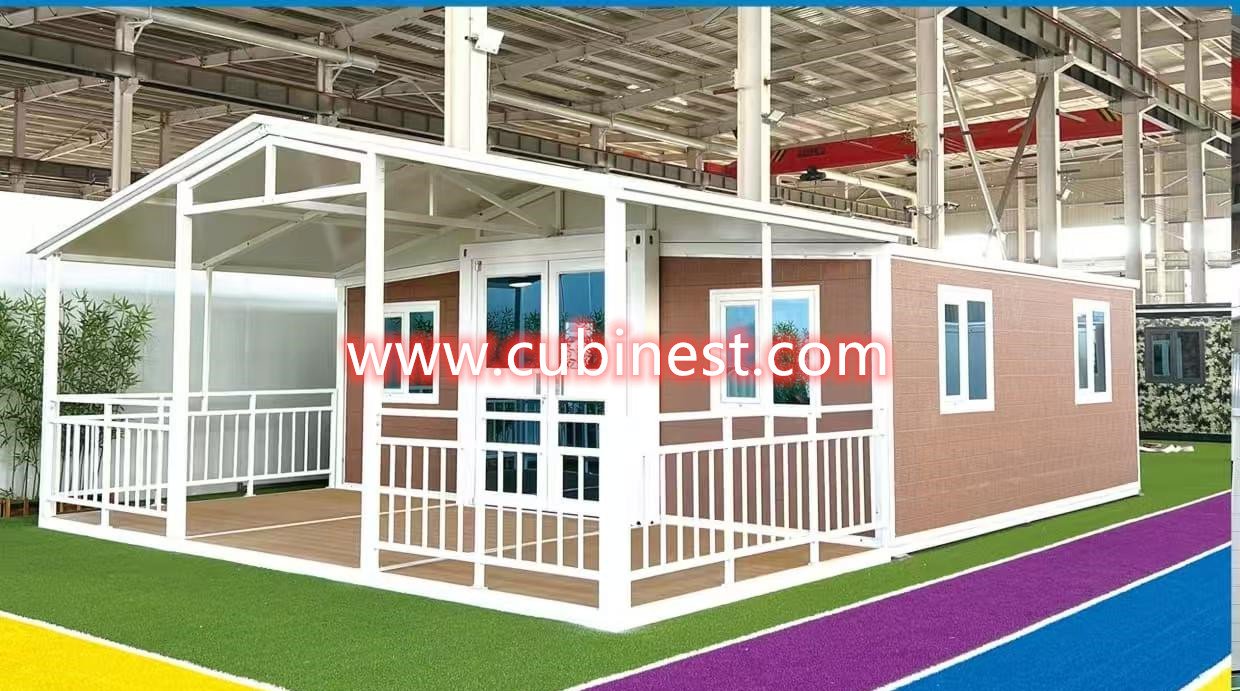
I believe the Philippines can be a good market for container houses because the product is flexible, fast to install, and suitable for many project types. It can serve worker camps, site offices, rental units, temporary housing, and small commercial spaces. But the buyer must choose the right version. A factory like CubiNest should help the buyer control cost without removing the details that protect the house. That is the balance I would aim for.
Conclusion
Container houses can work well in the Philippines when price, waterproofing, insulation, rust protection, packing, and installation are checked together.