Skip to content
Why Do Some Container Houses Leak After Installation?
A container house leak looks like a small problem at first. Then rain damages the ceiling, wall panels, floor, and buyer trust.
Some container houses leak because the roof design, sealant, panel joints, screws, drainage, or installation work is weak. Leakage is usually not caused by one mistake. It often comes from several small shortcuts in material, design, and site work.
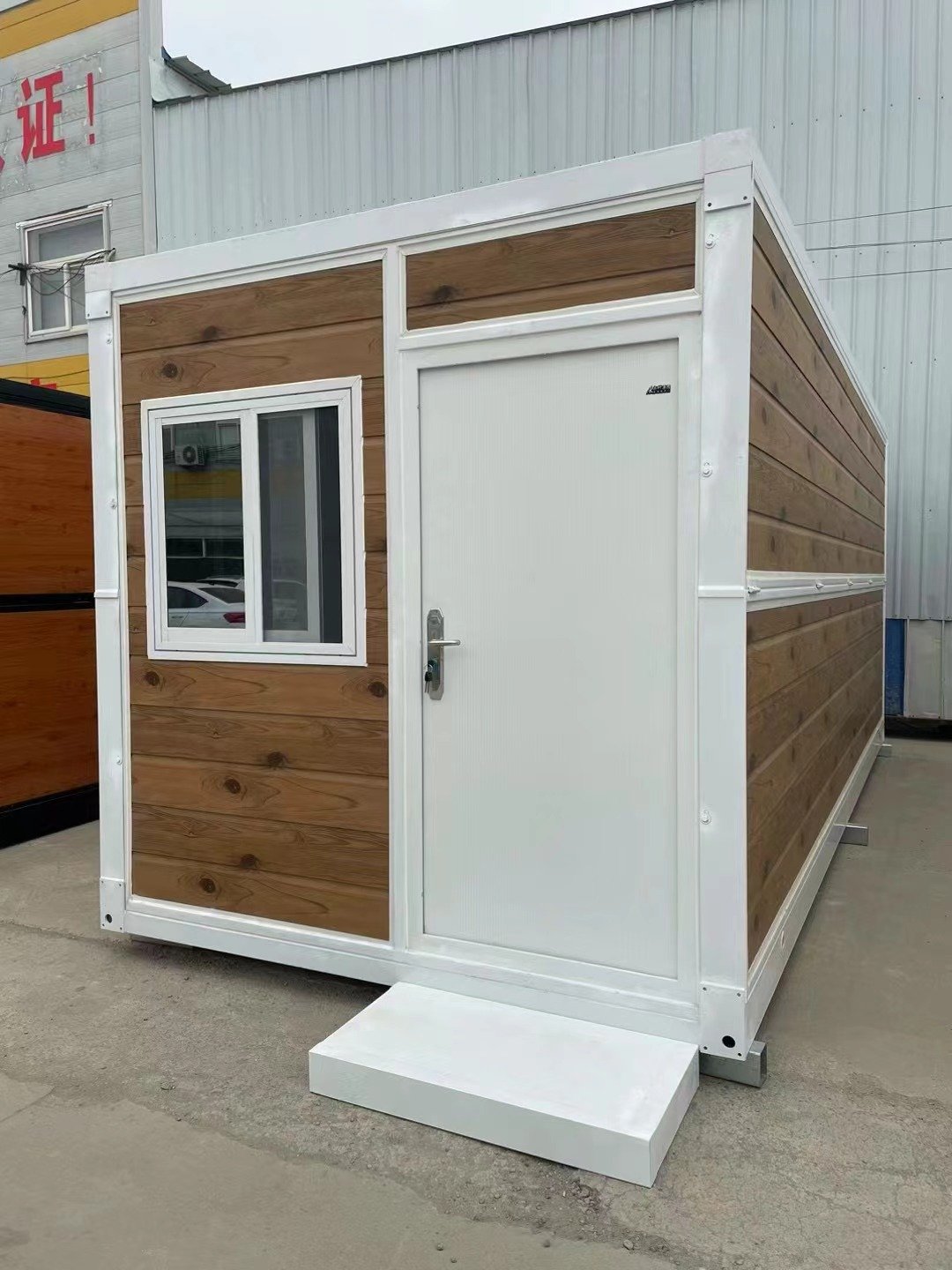
I have seen buyers blame the weather first. I understand that reaction, especially in hot and rainy countries. But I usually look at the structure first. Rain only exposes the problem. It does not create every problem. A good container house should be designed for real rain, real transport, and real installation conditions.
Is The Roof Design The Main Reason For Leakage?
The roof design is often the first place I check. A weak roof slope, poor drainage path, bad joint design, or thin waterproof layer can make rainwater stay and enter the house.
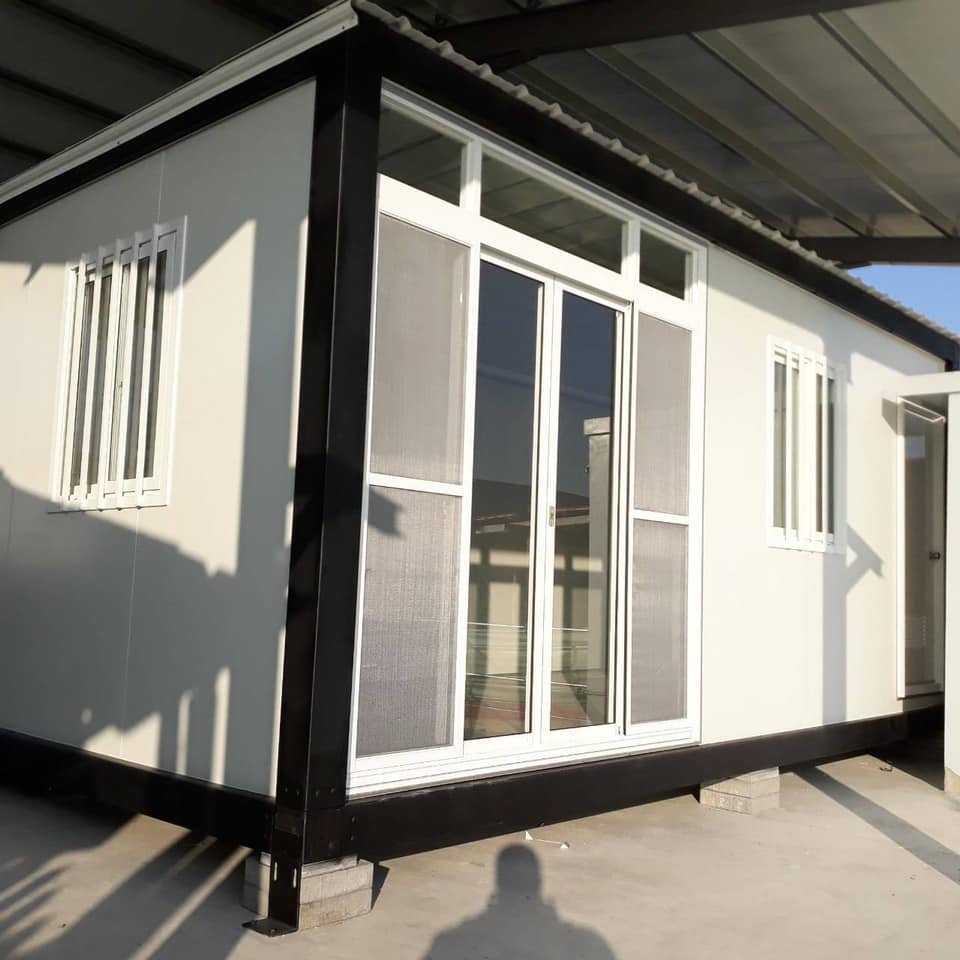
Why I Start With The Roof
I start with the roof because water always follows gravity. If the roof lets water stay too long, even a small joint can become a leak point. Some low-price container houses look fine in photos, but the roof design is too simple for heavy rain. This is a common risk in Southeast Asia and other rainy markets.
| Roof Detail | Good Design | Leakage Risk |
|---|---|---|
| Roof slope | Water moves away quickly | Water stays on the roof |
| Drainage | Clear water path | Blocked or unclear drainage |
| Joint position | Protected and sealed | Exposed to standing water |
| Sealant | Weather-resistant | Cheap and easy to crack |
| Screws | Correct position and washer | Loose or badly placed |
I do not only ask if the roof is waterproof. I ask how it is waterproof. This is a different question. A supplier may say every house is waterproof. But a serious factory can explain the roof slope, joint treatment, sealant type, and drainage plan. If the house will be used in the Philippines, Malaysia, or another rainy market, I pay more attention. The buyer may not see these details in a quotation, but he will see them when the first heavy rain comes.
Can Poor Installation Cause A Container House To Leak?
Poor installation can cause leakage even when the factory product is acceptable. Wrong screw placement, loose joints, uneven foundation, and careless sealant work can create water entry points.
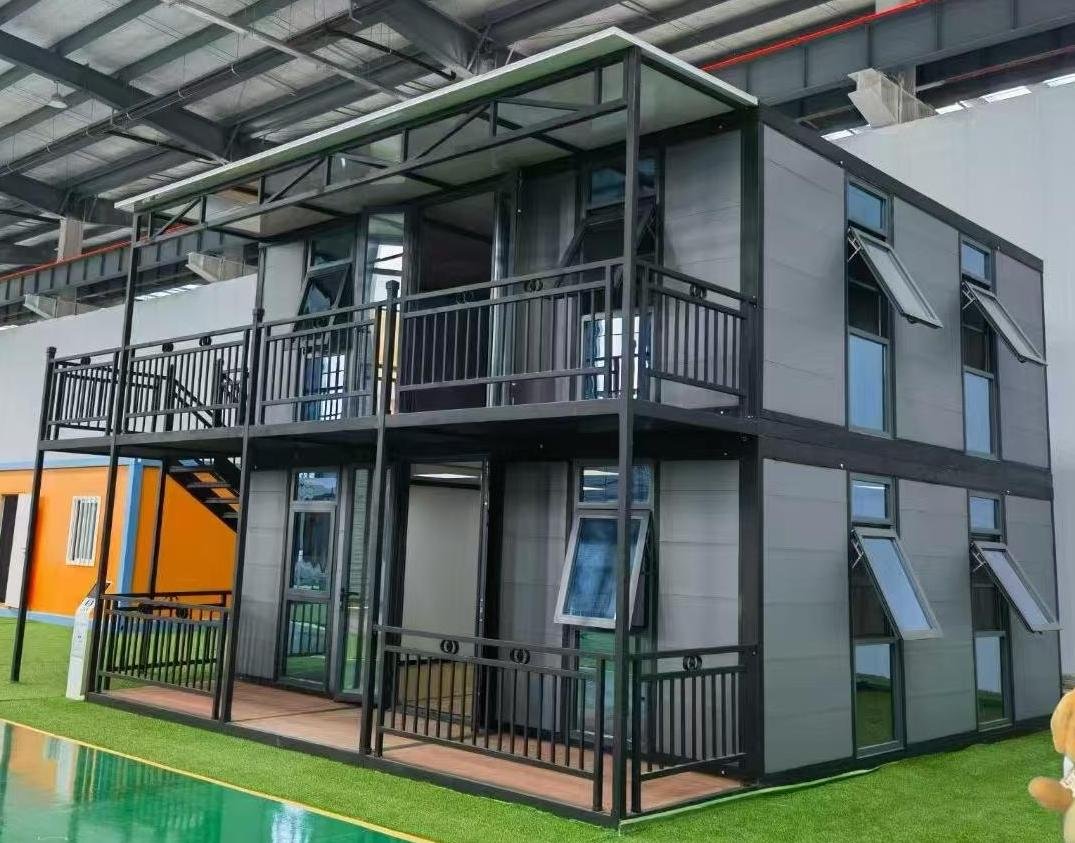
Why Site Work Matters
I have seen buyers think the factory should carry all responsibility. Sometimes the factory is responsible. But sometimes the site team creates the leak during installation. A detachable container house needs correct assembly. If the workers rush the roof joints or forget the sealant steps, water can enter later.
| Installation Step | What I Check | What Can Go Wrong |
|---|---|---|
| Foundation | Level and stable | House twists and joints open |
| Roof joint | Correct overlap and sealant | Water enters from gaps |
| Wall panel joint | Tight and aligned | Rain enters through side gaps |
| Screws | Correct quantity and position | Loose panels and roof gaps |
| Final test | Water test if possible | Hidden leak remains |
I usually ask the supplier for installation drawings, videos, and a clear parts list. I also suggest that buyers prepare one person on site to check waterproof points during assembly. This small habit can save a lot of trouble. For large worker camps, one mistake can repeat across many units. If one roof joint method is wrong, twenty houses may leak in the same way. That is why I treat installation as part of product quality, not as a separate small task.
Do Cheap Materials Increase Leakage Risk?
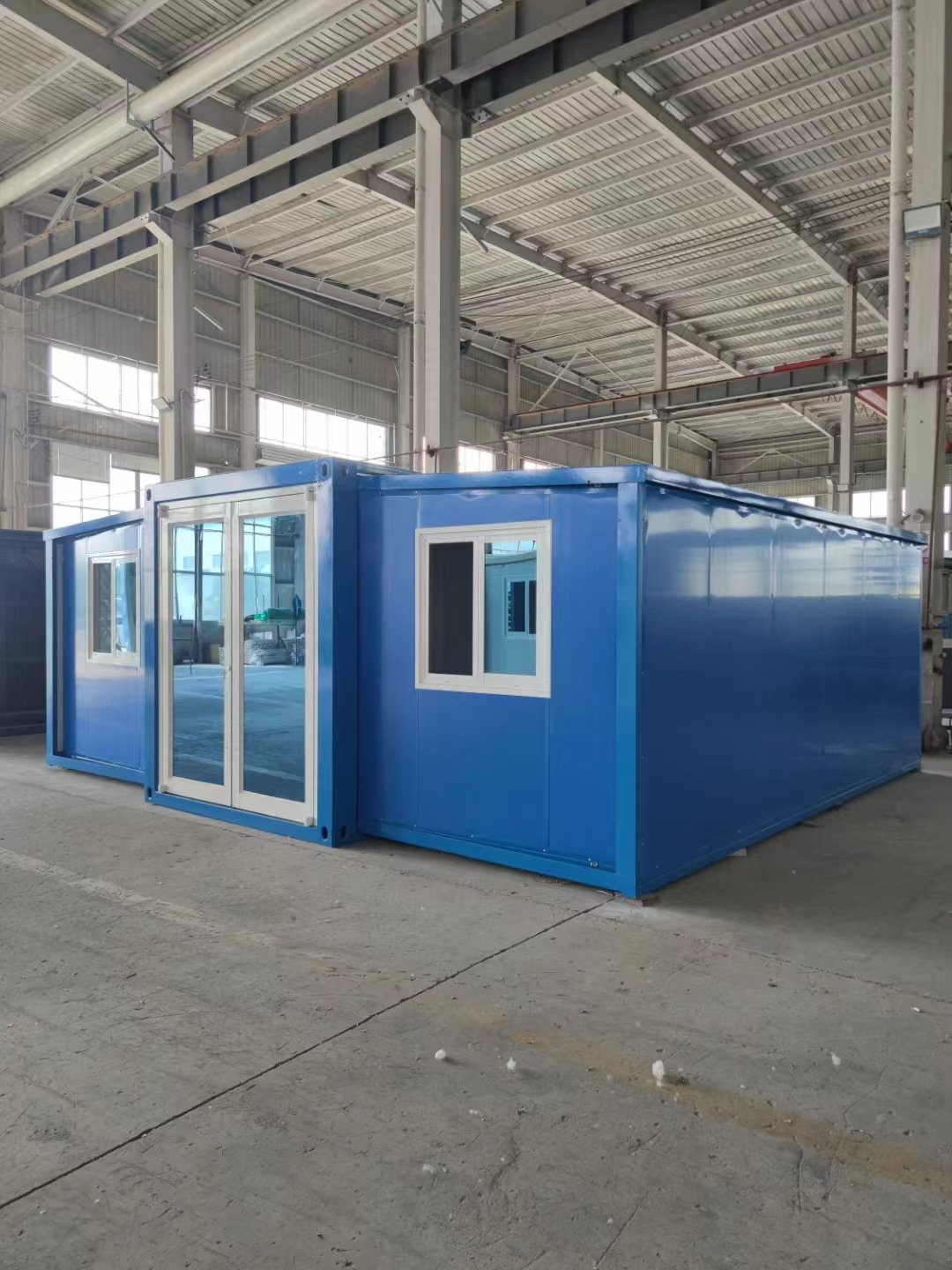
Cheap materials can increase leakage risk when the factory reduces the quality of sealant, screws, roof panels, flashing, or wall panel joints. A lower quote may hide these changes.
Why I Ask Where The Price Was Reduced
I know many buyers ask for the best price. I also work in a price-sensitive market. But waterproofing is one of the worst places to cut cost. A cheaper sealant may look the same on the first day. A weaker screw washer may also look normal. But after sun, heat, rain, and movement during transport, weak materials show their real quality.
| Material | Cheap Version Risk | Better Buying Question |
|---|---|---|
| Sealant | Cracks under sun and rain | What sealant do you use? |
| Screws | Rust or loose fit | Are washers included? |
| Roof sheet | Too thin or weak | What is the thickness? |
| Wall panel | Poor edge treatment | How are joints sealed? |
| Door/window | Bad frame sealing | How is the frame waterproofed? |
I do not tell buyers to buy the most expensive house. I tell them to protect the important parts. If the buyer needs a lower price, I suggest reducing optional design features first. I do not suggest reducing waterproof materials. A simple house with a strong roof is better than a beautiful house that leaks. This is even more true for government projects, camps, and rental units because the user may complain fast.
How Can I Reduce Leakage Before Shipping And Installation?
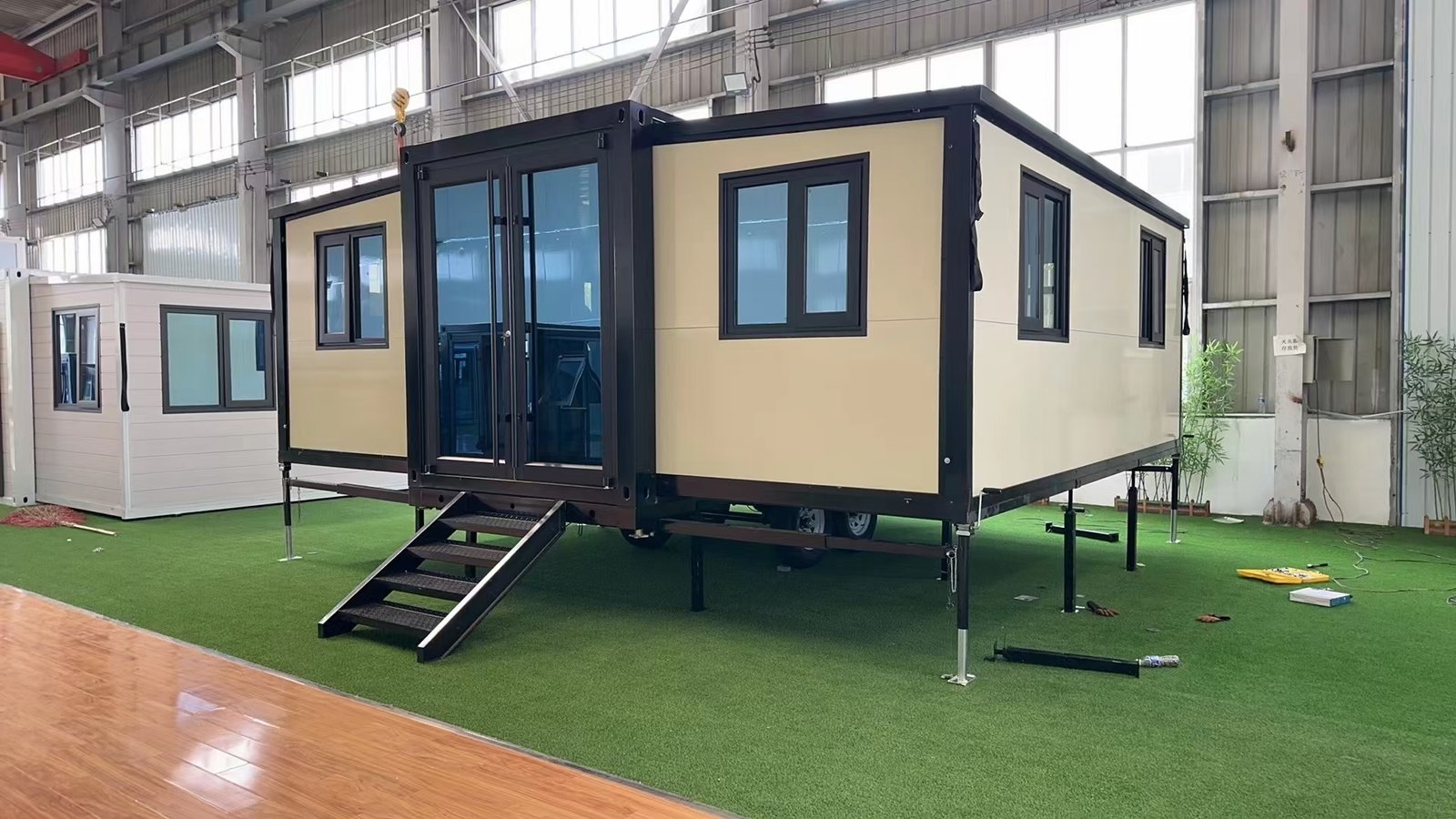
I reduce leakage risk by confirming roof design, checking material details, asking for installation guidance, preparing spare sealant, and testing the first unit carefully before repeating the same method.
My Practical Leakage Checklist
I like checklists because they reduce emotion in buying. When a buyer is busy comparing prices, he may forget small details. A checklist makes the discussion clearer. It also forces the supplier to answer in real terms.
| Stage | My Check | Why It Helps |
|---|---|---|
| Before order | Confirm roof and joint design | It avoids weak structure choices |
| Before production | Confirm sealant and screws | It avoids cheap substitutions |
| Before shipping | Check packing and roof parts | It prevents transport damage |
| During installation | Follow drawings and videos | It avoids site mistakes |
| After first unit | Do a water check | It finds problems before mass assembly |
I also suggest buying enough spare parts for remote sites. A small amount of extra sealant, screws, and washers is not expensive. But it can save a project when the site is far from the city. I would rather prepare extra parts than wait for emergency air shipment. This is the kind of practical detail that a good factory should mention. If the supplier never talks about leakage prevention, I ask more questions before I place the order.
Conclusion
I reduce container house leakage by checking roof design, materials, installation steps, and spare parts before rain tests the project.