Skip to content
How Do I Choose a Container House Factory in China?
Many buyers think a low quote means a good deal. I have seen the opposite. A weak factory can make the whole project more expensive.
I choose a container house factory in China by checking its structure details, export experience, quality control, packing method, installation support, and after-sales response. I never judge only by price because the lowest quote often hides weaker steel, thinner panels, or poor waterproof design.

I know many buyers want a fast answer because they may already have three or five quotations on the table. I also know the price gap can look confusing. One factory may quote very low. Another factory may look expensive. The real question is not which factory is cheapest. The real question is which factory can deliver a house that works after shipping, unloading, and installation.
Should I Choose a Factory or a Trading Company?
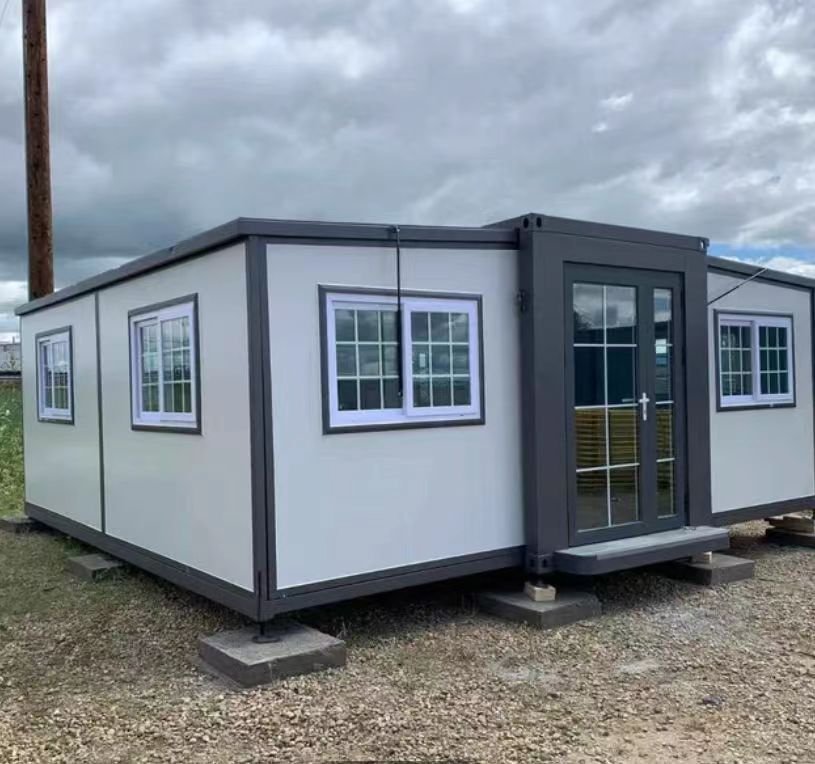
A trading company can help with communication, but I prefer a real factory when the order is technical, repeated, or large. A factory can explain structure, material, production schedule, and quality problems more directly.
Why I Check The Supplier Identity First
I always ask one simple question first. Who actually makes the container house? This question saves time. A trading company is not always bad. Some trading companies are professional. But if I am buying detachable container houses for a worker camp, I want to know who controls the welding, cutting, painting, wall panel assembly, packing, and spare parts.
| Supplier Type | What I Usually Get | Main Risk |
|---|---|---|
| Real factory | Direct structure details and production control | Communication may be less polished |
| Trading company | Better sales service and mixed product sourcing | Less control over factory quality |
| Small workshop | Very low price | Weak quality and unstable delivery |
| Large factory | Stable production and export documents | Price may be higher |
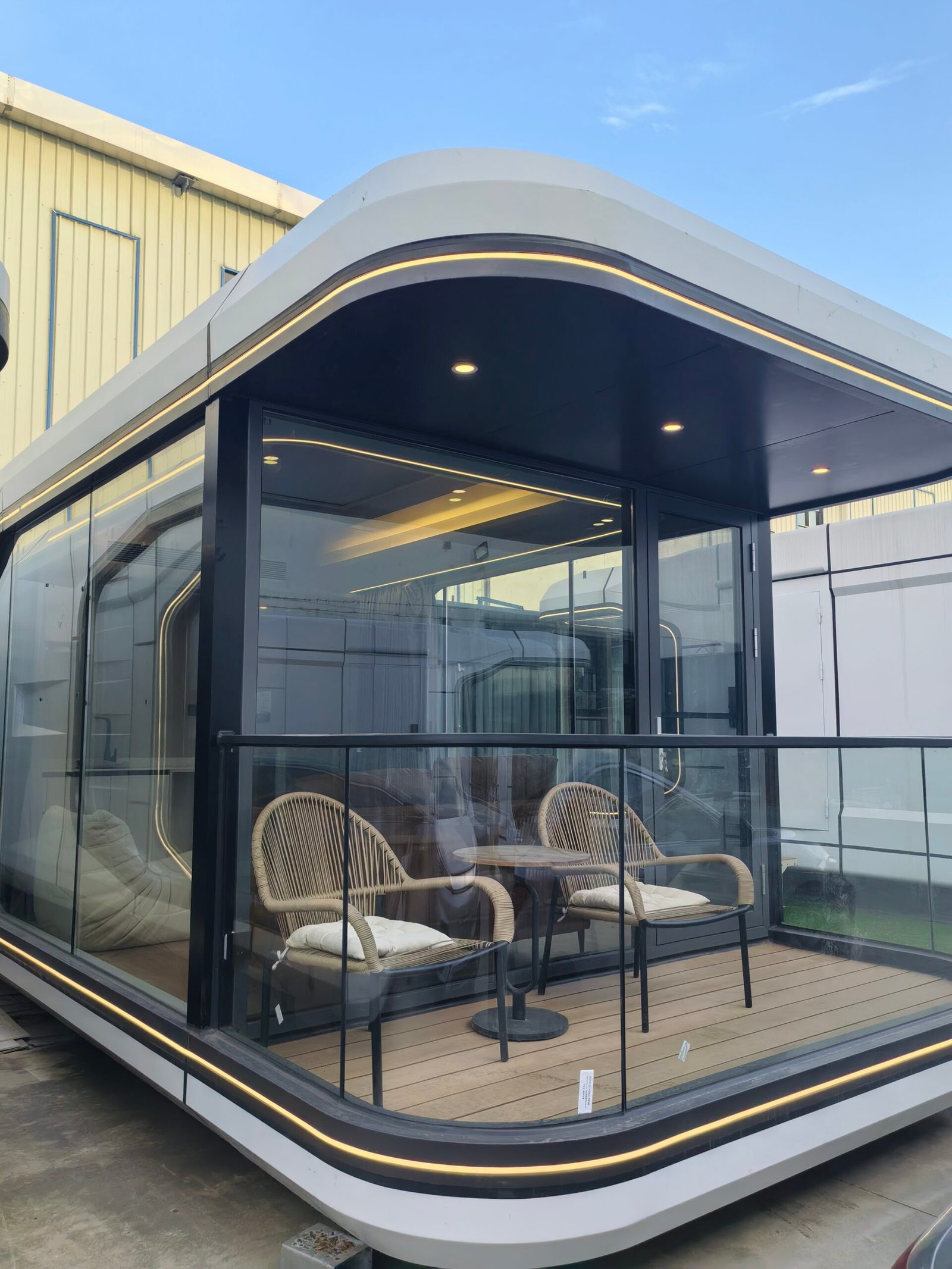
I usually ask for factory photos, production videos, loading photos, and past project cases. I also ask the supplier to explain the roof structure and wall panel material. If the salesperson cannot explain these basic points, I slow down. I do not want a smooth quotation. I want a supplier who understands the house. A container house is not a normal commodity. It must face rain, wind, heat, transport pressure, and site installation. A real factory should be able to talk about these details without hiding behind general words.
What Product Details Should I Check Before I Compare Prices?
I check steel thickness, wall panel material, roof waterproof design, floor board, door and window quality, packing method, and accessories. I compare the same specification before I compare the price.
Why The Same Name Can Mean Different Quality
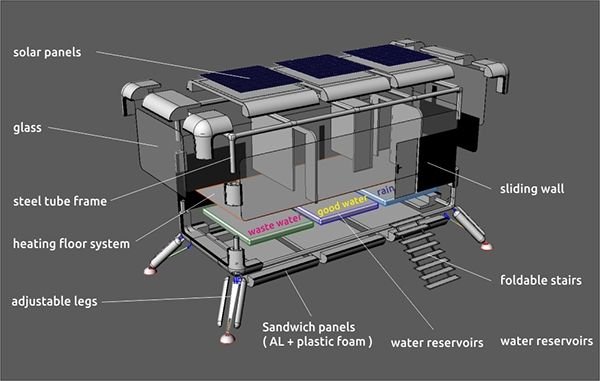
I have seen many quotations with the same product name, but the actual product was not the same. One supplier says “detachable container house.” Another supplier says the same words. But one may use stronger columns. One may use thinner panels. One may include full accessories. One may leave out important installation materials.
| Item | What I Check | Why It Matters |
|---|---|---|
| Steel frame | Thickness and surface treatment | It affects strength and rust resistance |
| Wall panel | EPS, rock wool, PU, or other panel | It affects insulation and fire performance |
| Roof | Drainage and sealing design | It affects leakage risk |
| Floor | Cement board, MGO board, or plywood | It affects durability and comfort |
| Hardware | Screws, sealant, locks, hinges | It affects installation and daily use |
I do not ask only, “How much is one unit?” I ask, “What is included in this price?” This small question changes the conversation. If a supplier is serious, he can give me a clear list. If he is only trying to win with a low quote, he may avoid details. I also ask for packing photos because shipping damage can destroy the profit of a cheap order. A good price should still include smart packing. For export buyers, the product must survive the trip before it can solve any site problem.
How Important Is Export Experience?
Export experience is very important because a container house order does not end at the factory gate. I need the supplier to understand packing, loading, documents, installation guidance, and spare parts for overseas projects.
Why I Care About The Whole Delivery Process
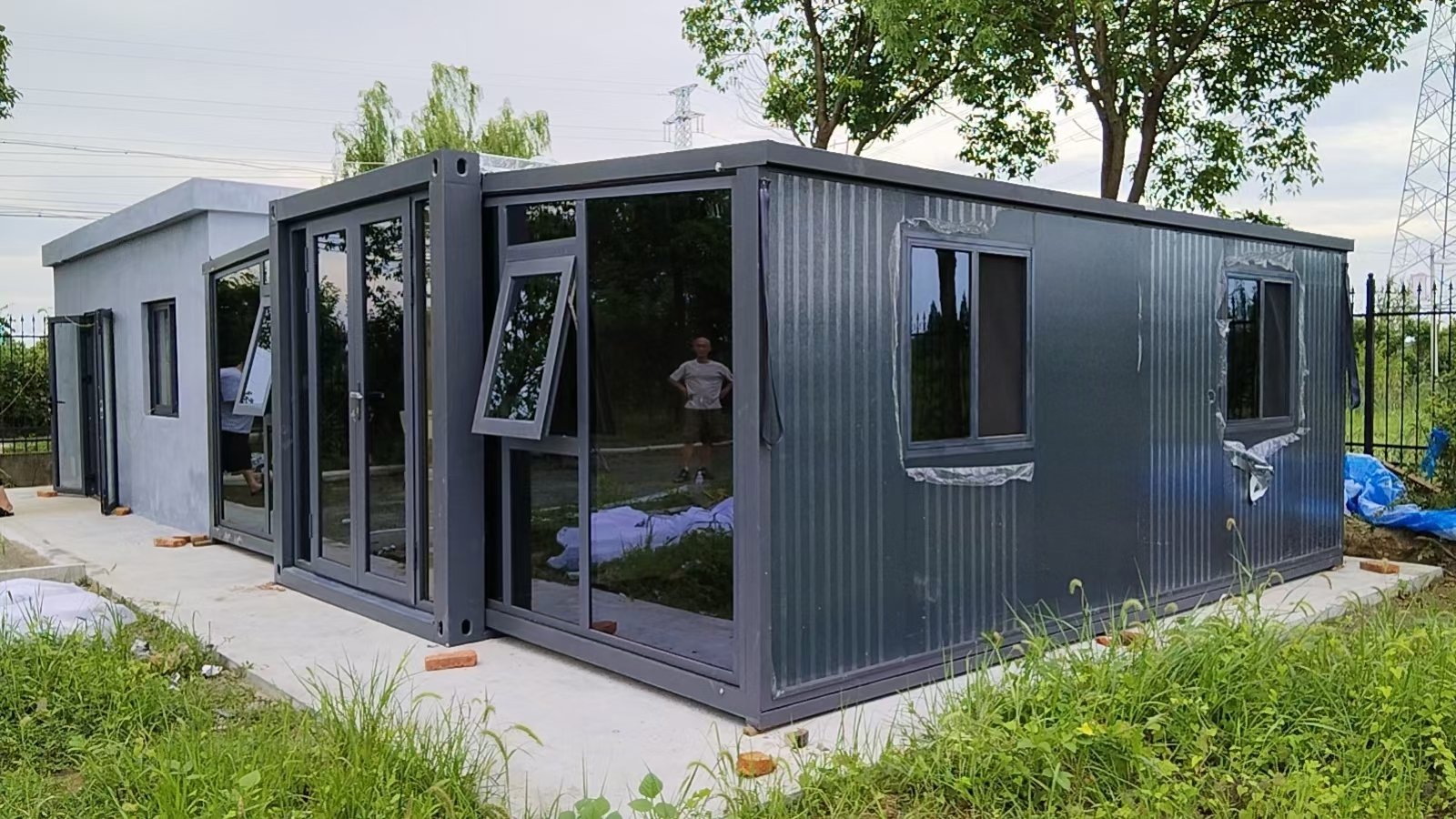
I have learned that a factory can make a good product and still create problems if it does not understand export work. A B2B buyer needs more than a finished house. He needs a clean delivery process. He needs the right documents. He needs enough spare parts. He needs clear installation guidance. He needs packing that protects the panels and frame during sea transport.
| Export Factor | Good Sign | Bad Sign |
|---|---|---|
| Loading plan | Supplier explains container loading quantity | Supplier gives only rough numbers |
| Documents | Supplier knows export documents | Supplier asks basic questions too late |
| Installation | Supplier provides drawings or videos | Supplier says installation is easy but gives nothing |
| Spare parts | Supplier prepares extra screws and sealant | Supplier ships exact count only |
| Communication | Supplier replies with clear details | Supplier replies only with price |
For buyers like Mike in the Philippines, this matters a lot. Island logistics can make replacement parts slow and expensive. If one lock, one window, or one roof accessory is missing, the site team may lose time. I prefer a factory that thinks ahead. I want the supplier to tell me what can go wrong before it goes wrong. That is why I value experience more than a perfect sales sentence.
Should I Always Choose The Lowest Price?
I do not always choose the lowest price. I choose the lowest safe price. A cheap container house is useful only when the structure, waterproofing, packing, and installation support are still acceptable.
How I Judge A Cheap Quote
I understand why buyers push for price. In many developing markets, the budget is tight. A contractor may need to win a project. A company owner may want a better margin. I also want a competitive price. But I do not want a price that removes the parts that protect the project.
| Low Price Source | Acceptable? | My View |
|---|---|---|
| Better packing efficiency | Yes | This can reduce cost without hurting quality |
| Simple layout | Yes | This can be practical for camps |
| Thinner steel | Risky | This can reduce strength |
| Poor sealant | Risky | This can cause leakage |
| No spare parts | Risky | This can delay installation |
| Weak after-sales support | Risky | This can increase real cost |
I ask the factory where the price difference comes from. A good factory can explain it. Maybe the layout is simpler. Maybe the order quantity is larger. Maybe the packing is more efficient. These are good reasons. But if the lower price comes from weaker materials, I become careful. I would rather explain this to the buyer before he pays. A factory should help the buyer save money, but it should not help him buy future trouble.
Conclusion
I choose a China container house factory by checking details, export ability, and hidden cost before I trust the price.